Door Weatherstripping: Stop Drafts at the Source
Last Updated: 2026-07-14
Your front door is open 24/7 — not literally, but the gap underneath it leaks heated air every hour of every day. Weatherstripping and a door sweep are cheap, DIY fixes.
Why Doors Are the Biggest Draft Source Most Homeowners Ignore
A typical 36-inch exterior door has a 1/8-inch gap along the bottom and sides. That doesn't sound like much until you realize it's the equivalent of a 3×4 inch hole in your wall — open 24 hours a day, 7 days a week. For a baseline before any project, see our guide to the best home energy monitors.
Multiply that by every exterior door. ENERGY STAR estimates that air sealing plus insulation saves an average of 15% on heating and cooling costs, and exterior doors are one of the places to seal.
The Solution Path: 3 Levels of Door Weatherstripping
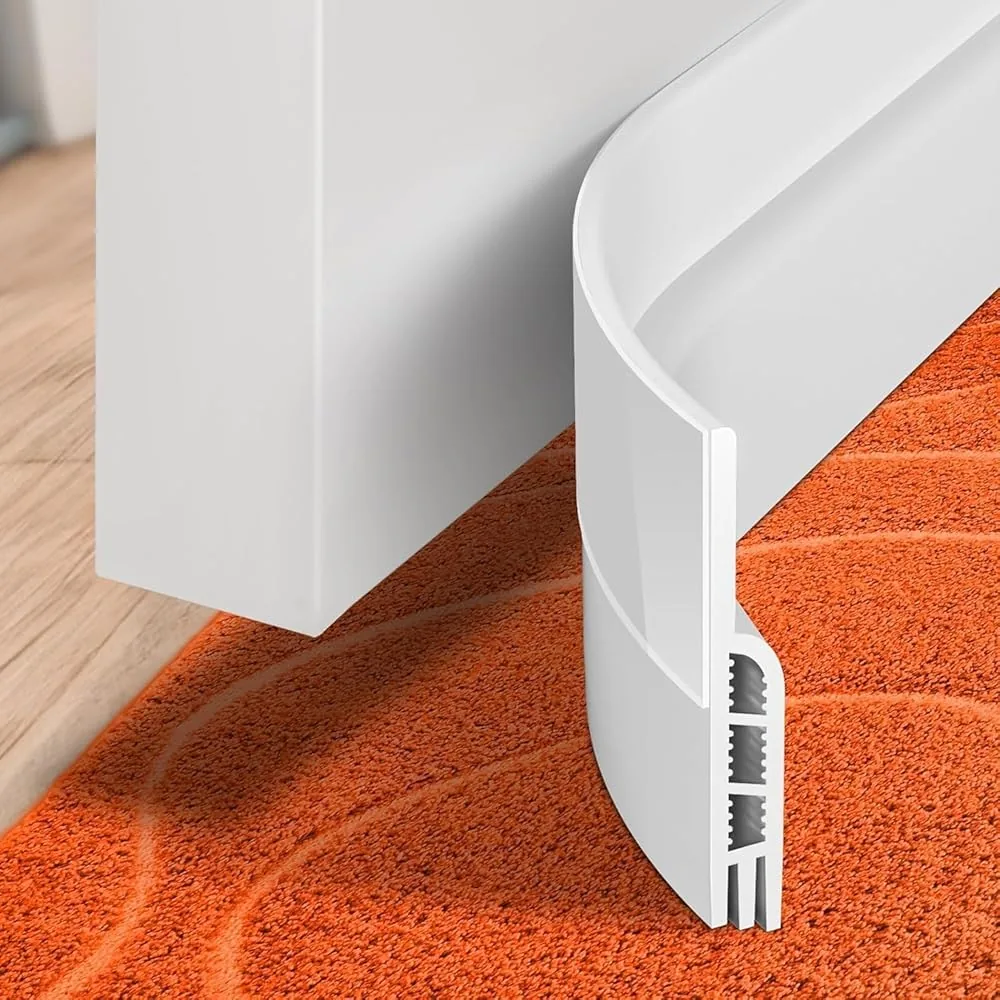
- Door sweep or door bottom —The biggest gap is almost always at the bottom. A self-adhesive door sweep or an adjustable door-bottom seal closes the gap in about 15 minutes. It is the single biggest improvement for most doors.
- V-strip or foam tape for the sides and top —Compression weatherstripping (V-strip for the hinge side, foam or rubber tape for the strike side and top) seals the remaining gaps. Self-adhesive foam tape takes about 20 minutes to install per door.
- Threshold replacement or adjustment —If your threshold is worn, uneven, or too low, replacing it or adjusting the screws to raise it creates a tighter seal. Combine with a sweep for maximum effect.
Recommended Products
Handling Common Objections
Free: Home Energy Audit Checklist (PDF)
A two-page, room-by-room checklist for finding air leaks, standby power and heating and cooling waste yourself, in the order that pays back fastest. Get it now, plus new fix guides by email. Unsubscribe any time.
By signing up you agree to receive emails from EcoHome Intelligence. See our Privacy Policy.
Frequently Asked Questions
Stop Paying for Air That Escapes Your Front Door
Weatherstripping is one of the cheapest energy fixes in your house. No tools beyond a screwdriver. A few dollars of material per door. Done in an afternoon. And you'll feel the difference the same day.
While you're sealing doors, don't forget to check your water heating system — it's the second-biggest energy drain in most homes. Or explore our duct sealing guide if you have forced-air heating.
Find Your Home's Biggest Energy Leak
Take the Quick Quiz, compare our recovery kits, or use the free printable checklist.
Quick Quiz