Do Energy Audits Actually Work After a Renovation? Here's What They Find and What to Fix
Last Updated: 2026-07-14
You spent thousands on a renovation. Your home looks beautiful. But the energy bill didn't come down — it went up. An audit isn't about proving someone wrong; it's about quantifying exactly what was missed and fixing it before costs compound.
What Post-Renovation Energy Audits Actually Find (and Cost)
Post-renovation energy spikes typically stem from three categories of contractor oversights:
- Gaps in insulation —Batt insulation was removed and reinstalled poorly, compressed during framing work, or never replaced at all. The result is a 3–5 inch void that thermal cameras reveal instantly.
- Unsealed air paths —Rim joists, chimney chases, and recessed-light penetrations are prime targets for air leakage. Each unsealed gap bleeds conditioned air into unconditioned space at $50–$150/month depending on climate.
- Ductwork disturbances —HVAC ducts get pinched or loosened during framing and demolition work, then nobody notices until the house goes through a seasonal load test.
The Solution Path: Three Steps Before Buying Anything
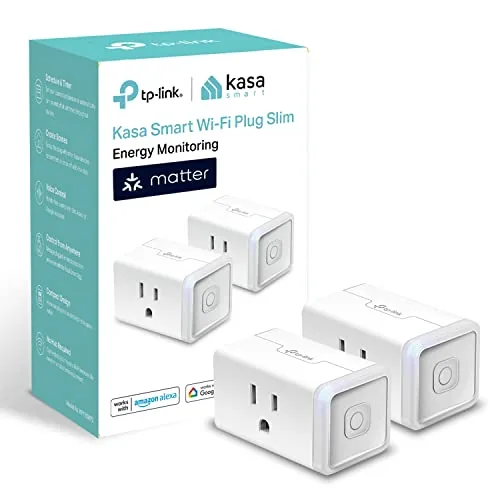
- Run a DIY pre-audit baseline —Compare current utility usage against pre-reno bills and use plug-level monitors to identify which circuits or appliances are drawing excess power.
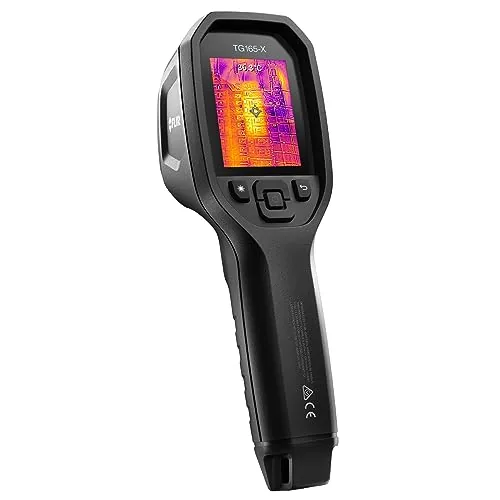
- Schedule a professional blower-door and thermographic audit —A certified auditor pressurizes the home and uses a thermal camera to reveal hidden insulation voids, air leaks, and duct breaches introduced during construction. Many utilities rebate $100–$400 of the audit cost.
- Tackle the highest-impact fixes first —Seal attic bypasses and rim joists, add missing insulation to retrofitted walls, and rebalance HVAC dampers so renovated zones stop overheating the rest of the house.
Recommended Products for DIY Pre-Audit
Handling Common Objections
Frequently Asked Questions
The Takeaway
Post-renovation energy audits don't just identify problems — they give you documented, prioritized fix orders that typically return $500–$1,200/year in savings. The ROI is measured in months, not years. For a baseline before any project, see our 30-day test of the best home energy monitors.
Find Your Leaks Fast
Take the Quick Quiz, compare our recovery kits, or get the free downloadable checklist to walk through every room.
Quick Quiz
Certified home energy auditor & HVAC specialist
Specializing in high-ROI home energy upgrades, from thermal leaks and HVAC tuning to phantom-load detection. Our guides are grounded in U.S. Department of Energy standards and real-world household audit patterns.