Published 2026 · EcoHome Intelligence
No Roof Insulation in a Mobile Home? Here Is a Budget Fix That Actually Works
If your mobile home has zero roof or ceiling insulation, the power company audit confirmed the problem, but there is no local contractor to fix it. You are staring at big summer cooling and winter heating bills, wondering if the ceiling will collapse if you try a DIY fix. It will not — if you use the right lightweight materials.
Why Mobile Home Roofs Are Different
Mobile home ceilings are typically 1/8-inch paneling or thin drywall over 2x2 or 2x3 trusses spaced 24 inches apart. They cannot hold dense cellulose, blown-in fiberglass, or anything heavy. Push too hard and the ceiling bows or cracks.
But the roof above is the single biggest energy loss point in the home. A thin or uninsulated roof cavity lets heat pour in during summer and out during winter; ENERGY STAR’s average saving from air sealing plus insulation is 15% of heating and cooling costs.
What NOT to Do
Do not blow cellulose, pour loose fiberglass, or spray dense foam overhead without adding hanging strapping. Mobile home ceilings will sag or tear under the weight. Traditional install methods assume a 2x6 attic floor with OSB — you do not have that.
Fix 1: Reflective Bubble Barrier (About 2 Hours)
The lightest, safest option: staple reflective bubble insulation to the underside of roof trusses from inside.
- Product: Reflectix Double Reflective Insulation (24" x 25 ft roll)
- How: Cut to length, staple with 1/4-inch staples 6 inches apart, overlap seams by 2 inches and tape with foil tape
- Result: Reflects radiant heat in summer; no R-value added but dramatically reduces heat transfer
Best for: Hot climates where summer cooling dominates. In Arizona or Texas, this can drop ceiling surface temp 15-20°F.
Fix 2: Lightweight Faced Batts (About 4 Hours)
If you need real R-value and your cavities are accessible from inside, slide in lightweight kraft-faced batts.
- Product: Johns Manville R-13 Kraft-Faced Batts
- How: Measure cavity depth, cut batts tight, install vapor barrier facing down toward warm interior, do not compress
- Result: R-13 in a 3.5-inch cavity; adds genuine thermal resistance
Renter Friendly
These batts are your installation — take them when you move. Unlike spray foam, batts can come out if you move the home or change your mind.
Fix 3: Elastomeric Roof Coating (1 Day)
For the exterior: paint the roof with white or light gray elastomeric coating to reflect solar heat.
- Product: Kool Seal Elastomeric Roof Coating (check the coverage per gallon on the label)
- How: Pressure wash roof, apply primer if metal, roll on two coats 4 hours apart
- Result: Reflects solar heat; extends roof life 5-10 years
Fix 4: Closed-Cell Spray Foam (Pro or Very Confident DIY)
The highest performance option — but requires planning.
- Product: Touch 'n Seal 600 closed-cell kit
- How: Apply only to roof cavity (not ceiling), leave ventilation path open, wear full PPE
- Warning: Without proper ventilation, foam traps moisture and rots metal roof decking. Must plan air gaps.
Products Shown in This Guide
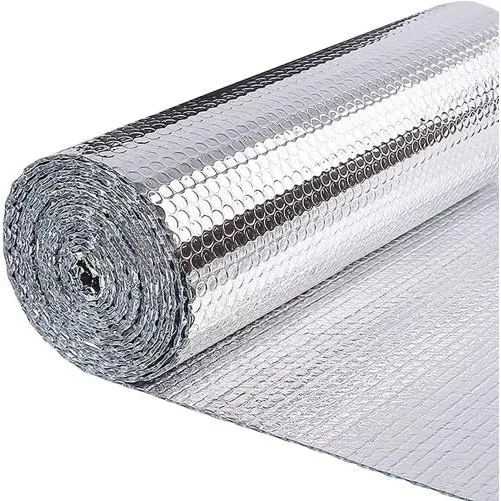
Reflectix Double Reflective Insulation
Reflective bubble barrier · Lightweight · Best for hot roofs
View on Amazon
Johns Manville R-13 Kraft-Faced Batts
Lightweight insulation batts · Adds real R-value without crushing the ceiling
View on Amazon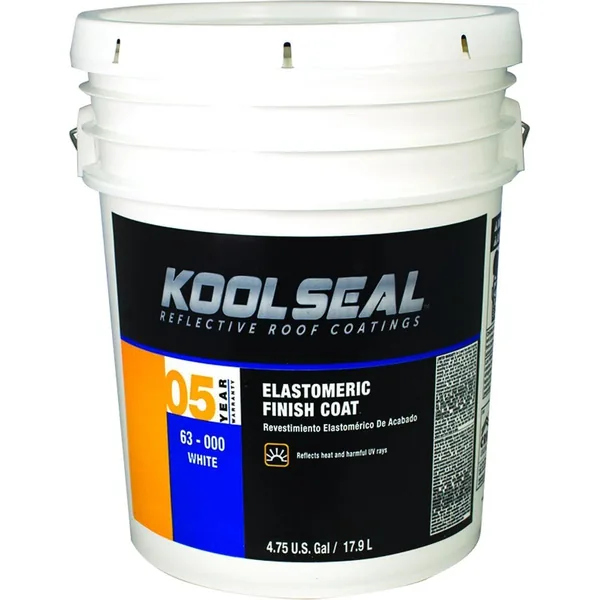
Kool Seal Elastomeric Roof Coating
Reflective roof coating · Exterior heat shield · Extends roof life
View on Amazon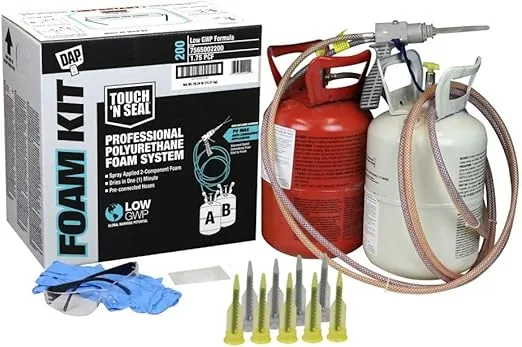
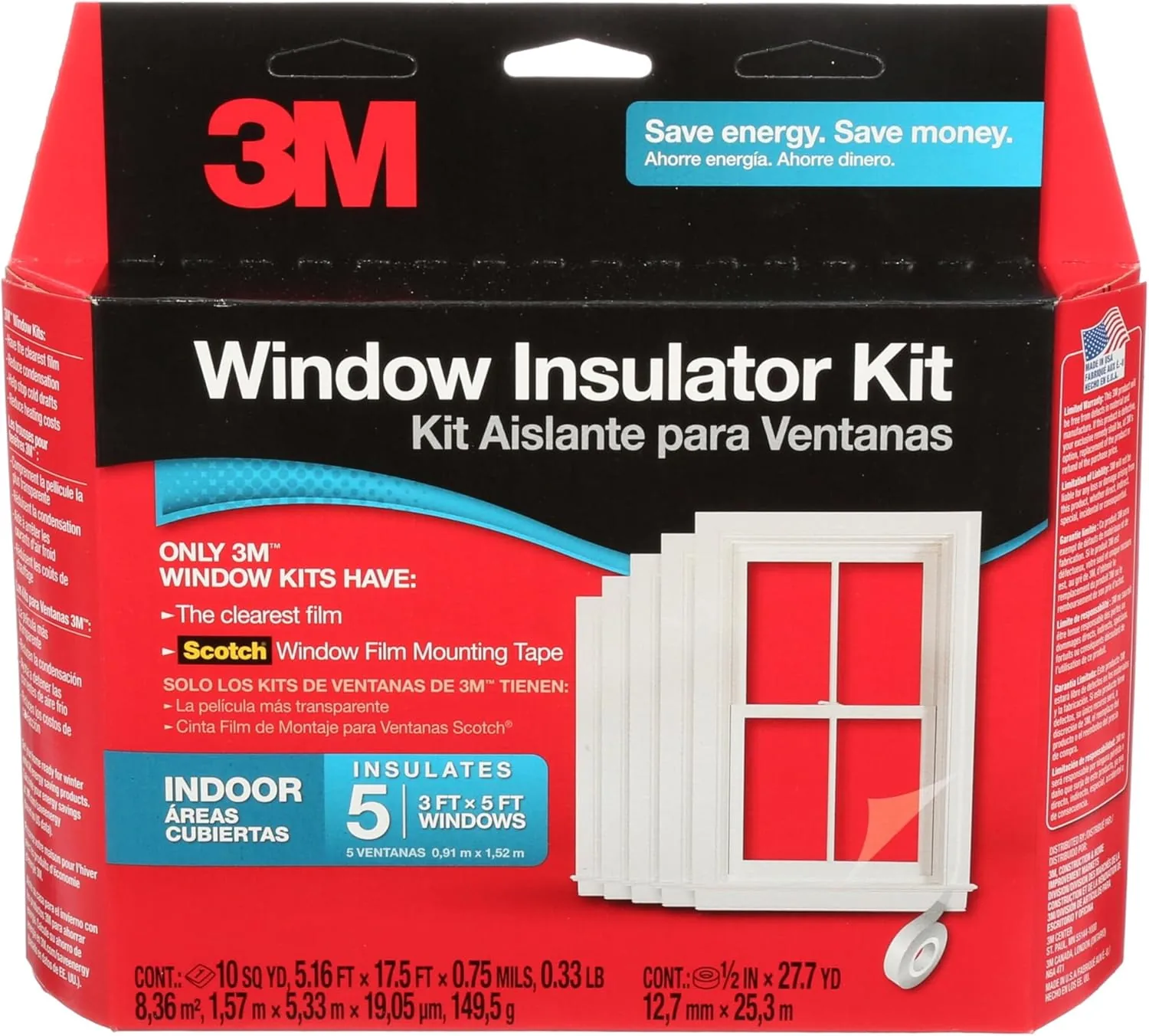
3M Indoor Window Insulator Kit
Cheap window add-on · Great companion fix for mobile home envelopes
View on AmazonWhich Fix Should You Choose?
| Best Fix | Badge |
|---|---|
| Reflective barrier only | Best 80/20 |
| Batts + elastomeric coat | Most thorough |
| Full spray foam + barrier | Premium |
The Complete Mobile Home Envelope
Ron insulation alone will not fix everything. For maximum effect, pair roof fixes with:
- Skirting insulation: Wrap the exposed underbelly with insulated sheeting
- Window film: 3M Indoor Window Insulator Kit per window
- Door weatherstripping: Frost King self-adhesive foam ($5/door)
Combined, these $200-400 in total upgrades can cut a mobile home's energy use by 30-40%.
Get the Mobile Home Energy Fix Checklist
Free: Home Energy Audit Checklist (PDF)
A two-page, room-by-room checklist for finding air leaks, standby power and heating and cooling waste yourself, in the order that pays back fastest. Get it now, plus new fix guides by email. Unsubscribe any time.
By signing up you agree to receive emails from EcoHome Intelligence. See our Privacy Policy.
