Stop Paying for "Off" Devices.
Measure It, Then Switch It Off.
Devices that draw power while switched off add up to almost 10% of residential electricity, according to the U.S. Department of Energy. NRDC measured an average always-on load of 164 watts in the homes it studied, about 1,300 kWh a year (NRDC, 2015). An energy-monitoring smart plug shows each device’s share and switches it off on a schedule, from your phone or by voice.
What Smart Plugs Do:
- Measure exact wattage of any plugged-in device
- Turn devices on/off automatically on schedule
- Kill standby power with one tap or voice command
- Track monthly cost per device
- Group multiple plugs into "scenes" (e.g., "Bedtime" kills everything)
The Smart Plug Kit: 3 Tiers
Kasa EP25 Smart Plug with Energy Monitoring
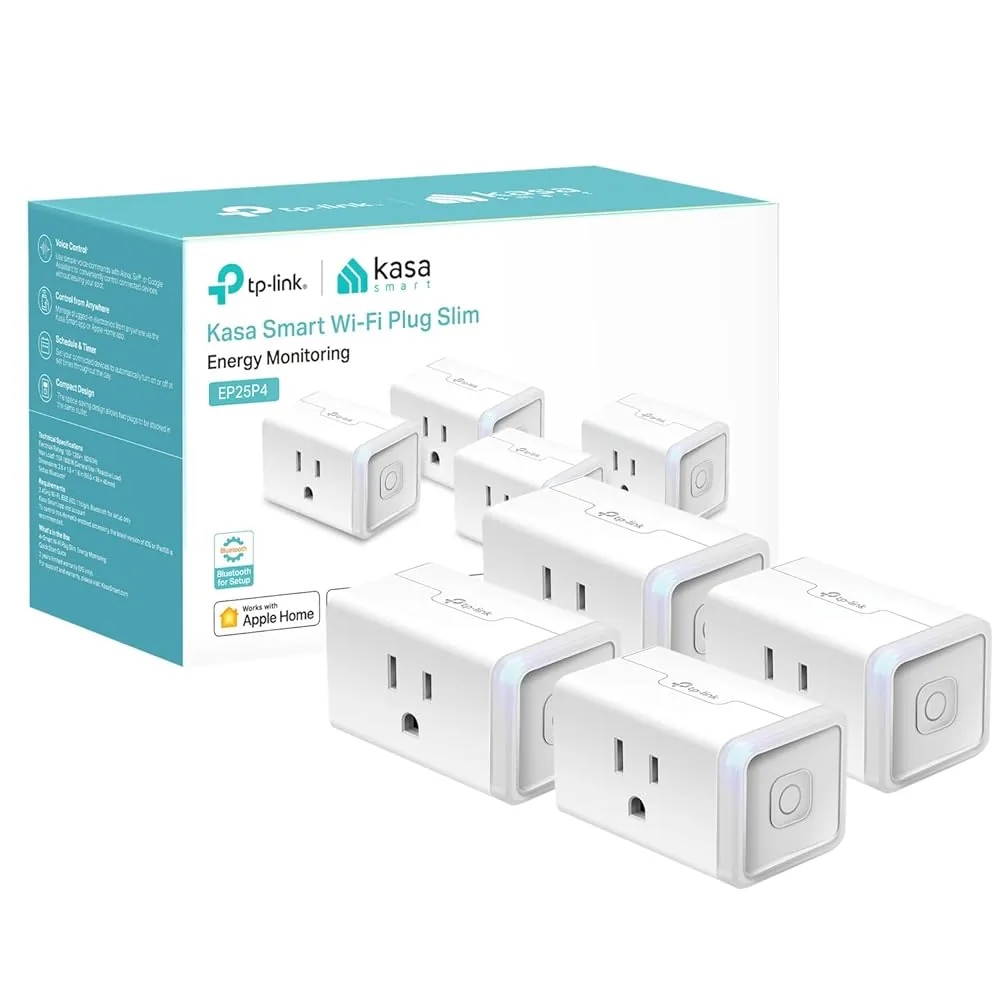
15A smart outlet with energy monitoring. Best for always-on devices where you want app control plus usage visibility. The cleanest budget pick for phantom loads and bedside chargers.
View on Amazon →Kasa KP125M Smart Plug with Energy Monitoring
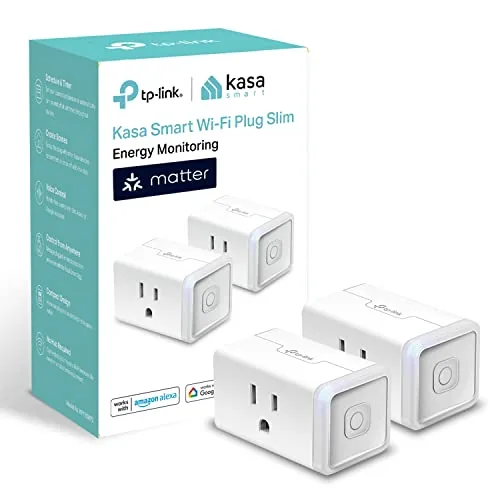
Energy monitoring on every outlet. Matter-compatible, fast switching, and ideal when you want plug-level data without a hub. The best all-around upgrade for most households.
View on Amazon →Emporia Energy Monitoring Smart Plug
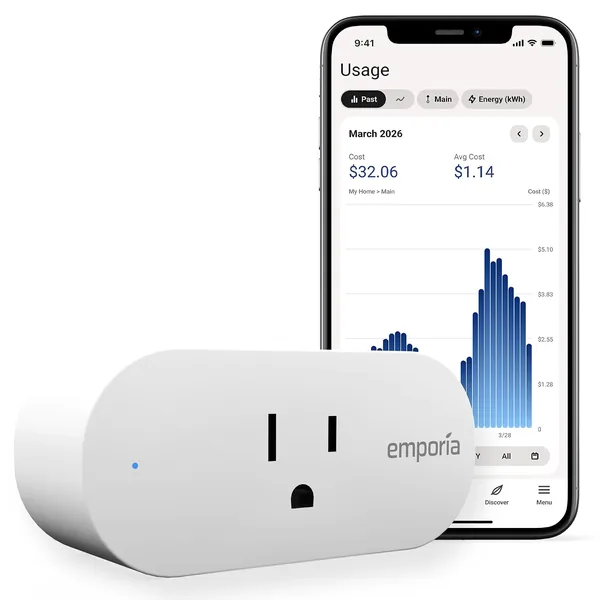
Shows per-device energy use in the same app as the Emporia Vue panel monitor for whole-home + individual device visibility. Best for data-driven households that want complete visibility.
View on Amazon →Where to Start (Biggest Impact First)
1. Entertainment center — TV, soundbar, streaming box and game console. Electronics were about half of the idle load NRDC measured, and one smart power strip covers the whole stack.
2. Home office — Monitor, printer, speakers, chargers: switch the whole desk off overnight.
3. Kitchen counter — Coffee maker, toaster oven, microwave clock: small on their own, but on around the clock.
Want to measure before you buy? Use our Phantom Load Calculator first.
Phantom Load Guide → See All Bundles →