EcoGuide · Electric Bills · Updated 2026-09-30 · 900 words
Electric Bill $500 a Month in a Rental? How to Find Out Why
The Short Answer
A bill that high almost always has one of a few causes: electric heating or air conditioning running for long hours, an electric water heater, a space heater or portable AC, or an old or faulty appliance. As a renter you can find out which in an evening, fix the habits and plug-in devices yourself, and take the numbers to your landlord for the rest.
None of the steps below needs permanent changes to the unit.
Step 1: Read the Bill
- Split kWh from price. Your bill is kWh used × price per kWh, plus fixed fees. Compare both with the same month last year: a jump in kWh means something is using more; a jump in price means your rate changed.
- Look for time-of-use pricing. If your bill shows peak and off-peak lines, running the dryer, dishwasher or AC at peak hours costs more.
- Check the season. If the bill spikes only in winter or summer, heating or cooling is almost certainly the cause.
If your utility shows hourly smart meter data online, look at the lowest usage hour overnight: that is your always-on load, and the hours with big spikes show when the heavy loads run.
Step 2: Measure the Plug-In Loads
A plug-in meter or an energy-monitoring smart plug shows exactly what each device draws. The arithmetic: watts × hours per day ÷ 1,000 = kWh per day. A 1,500 W space heater running 5 hours a day uses 7.5 kWh a day, about 225 kWh a month; that one device can be a large share of a bill.
- Space heaters and portable AC units: the usual suspects. Use them in one room with the door closed, on a timer, instead of all day.
- A second fridge or freezer: often old and inefficient. ENERGY STAR says certified refrigerators are about 9% more efficient than the federal minimum, and older models do worse.
- Standby power: NRDC measured an average always-on load of 164 watts in the homes it studied (NRDC, 2015). A smart strip on the TV and desk cuts part of it.
We may earn a commission if you buy through these links, at no extra cost to you. Products are chosen on published specifications; we do not test them in-house (how we choose).
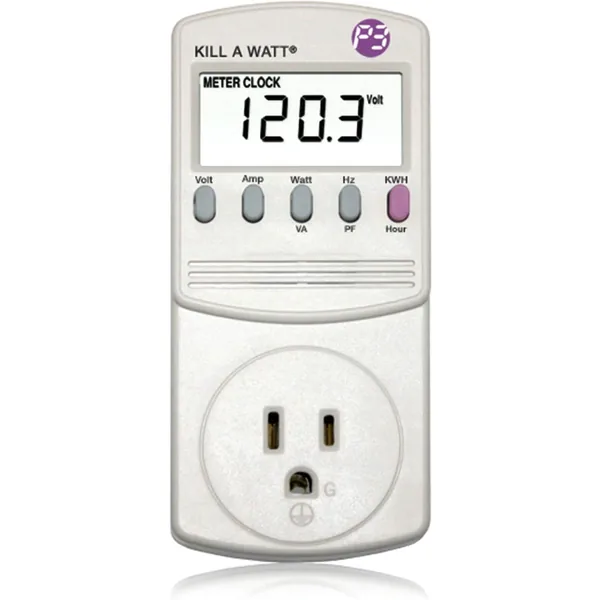
P3 Kill A Watt P4400
Plug-in meter: shows watts and cumulative kWh for any 120 V device.
View on Amazon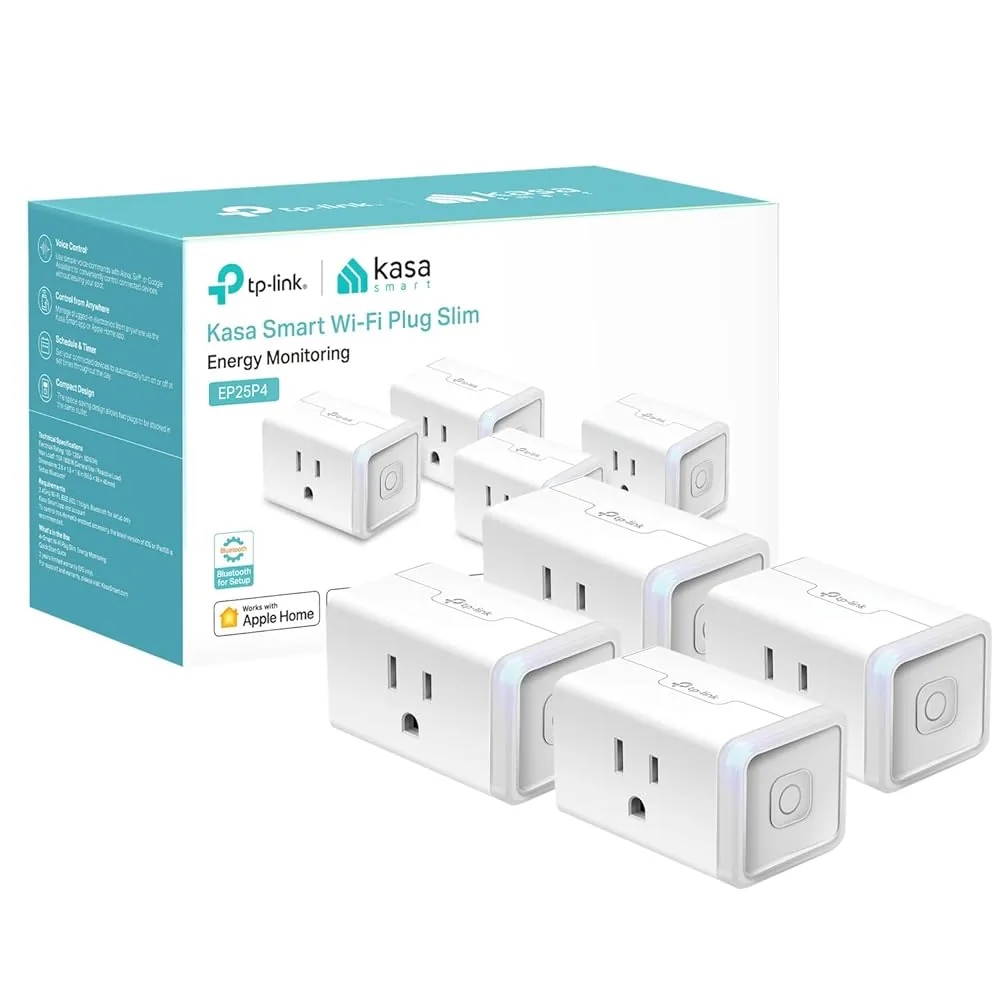
Kasa EP25 Smart Plug with Energy Monitoring (4-pack)
Measures and schedules plug-in devices; moves with you when you leave.
View on AmazonStep 3: Fix What You Control
- Heating and cooling schedule. DOE says turning the thermostat back 7–10°F for 8 hours a day can save as much as 10% a year on heating and cooling. If the thermostat is yours to program, set it back at night and while you are out.
- Water heater temperature. DOE recommends 120°F for most uses; many tanks are set higher. Ask before touching it if the heater is in a locked space.
- LED bulbs. DOE says LEDs use at least 75% less energy than incandescent bulbs; take them with you when you move.
- Drafts. Removable weatherstripping, a door sweep and thermal curtains are renter-friendly; see how to insulate windows cheaply.
- Time-of-use. If you are on a TOU plan, run the dishwasher and laundry off-peak.
Step 4: Take Numbers to Your Landlord
If your measurements point at something you do not control, such as electric baseboard heat with no thermostat, a failing water heater, a 20-year-old fridge or leaky windows, write it down with the numbers: the device, its measured watts or kWh, and the months it happened. A specific, measured problem is far easier for a landlord to act on than “the bill is high”.
Also ask your utility about budget billing, a different rate plan, and energy assistance programs if the bill is a hardship.
Free: Home Energy Audit Checklist (PDF)
A two-page, room-by-room checklist for finding air leaks, standby power and heating and cooling waste yourself, in the order that pays back fastest. Get it now, plus new fix guides by email. Unsubscribe any time.
By signing up you agree to receive emails from EcoHome Intelligence. See our Privacy Policy.
Frequently Asked Questions
Why is my electric bill so high in my apartment?
Most often electric heating or cooling running long hours, an electric water heater, a space heater or portable AC, or an old appliance. Compare kWh and price per kWh with last year, then measure plug-in devices to find which.
Can a renter lower an electric bill without changing the apartment?
Yes: thermostat schedules, LED bulbs, smart strips on electronics, removable weatherstripping and thermal curtains, and moving heavy loads off-peak all work without permanent changes.
How much electricity does a space heater use?
Its wattage times the hours it runs. A 1,500 W heater running 5 hours a day uses 7.5 kWh a day, about 225 kWh a month.
Is my landlord responsible for a high electric bill?
Usually you pay for what you use, but appliances and heating equipment that come with the unit are generally the landlord’s to maintain. Check your lease and local rules, and bring measured evidence of the problem.
Related Guides
- Why is my electric bill so high in winter? — the seasonal causes
- Electric bill doubled in two years? — rate increases vs failing appliances
- What is vampire power? — the always-on load
