Thermal · Updated May 2026 · 13 min read · EcoHome Intelligence
Done With Drafty Rooms? The 2026 Insulation Upgrade Checklist for Under $500
Air leaking through gaps around windows, doors, outlets and attic hatches is one of the biggest sources of wasted heating and cooling. Here is a weekend project you can finish before the next heating season.
In This Guide
The Drafty Room Problem
An r/HomeMaintenance user posted: "Okay, I'm officially done with drafty rooms and insane heating bills." They were looking for the best insulation upgrades for 2026 but were overwhelmed by conflicting contractor advice and did not know which improvements would actually move the needle on comfort and cost. For a baseline before any project, see our guide to the best home energy monitors.
If you feel the same—cold drafts near windows, a "cold waterfall" sensation when you walk past an exterior wall, or a heating bill that never drops no matter how high you crank the thermostat—the problem is almost certainly air leakage, not just thin insulation.
Want a room-by-room draft detection guide?
Download our 2026 Insulation Upgrade Checklist with step-by-step leak detection using incense, thermal apps, and blower-door alternatives.
Why It Costs Money
ENERGY STAR estimates that air sealing plus adding insulation saves an average of 15% on heating and cooling costs.
Sealing and insulating are among the few home improvements that save energy every day they are in place. The key is doing them in the right order: seal first, then insulate. Adding insulation over unsealed gaps is like putting a thick sweater over a screen door.
Step 1: Air-Seal Before You Insulate
Caulk window frames, install foam weatherstripping on doors, and use outlet gaskets on exterior walls. Air sealing is the cheapest part of the job: caulk, foam and weatherstripping.
The 10-minute sprint: Walk the perimeter of your home with a stick of incense on a windy day. When the smoke wavers, you have found a leak. Common culprits are the top and bottom of door frames, the gap between window sash and frame, and electrical outlets on exterior walls.
Step 2: Shrink-Film the Worst Windows
Apply 3M window film on single-pane or leaky double-pane windows. It creates a dead-air insulating layer that raises the effective R-value and stops the "cold waterfall" draft feeling. The film is crystal-clear, takes 10 minutes per window, and peels off in spring with zero residue.
Prioritize north- and west-facing windows first. They receive the least winter sun and the most wind exposure. A multi-window kit goes up in about an hour.
Step 3: Top Off Attic Insulation to R-49
If the attic has less than 12 inches of insulation, rent a blowing machine and add fiberglass or cellulose. Attic heat loss is the biggest single driver of drafty rooms below. Most home centers rent the machine for free when you buy 10 bags of insulation.
Target R-49 in cold climates and R-38 in mild climates. If you can see the tops of your joists, you need more. Wear a respirator, long sleeves, and eye protection. The project takes one Saturday morning.
Product Recommendations: Budget / Performance / Eco-Premium
Frost King Foam Weatherstripping + Outlet Gaskets
BudgetTwo inexpensive items for the most common leak points: self-stick foam tape for door and window gaps, and foam gaskets that sit behind outlet and switch plates on exterior walls.
3M Indoor Window Insulator Kit
PerformanceShrink-film kit that adds an insulating air barrier to old windows. The included double-sided tape mounts to the interior frame; a hair dryer tightens the film into an invisible second pane. Removable in spring with no residue.
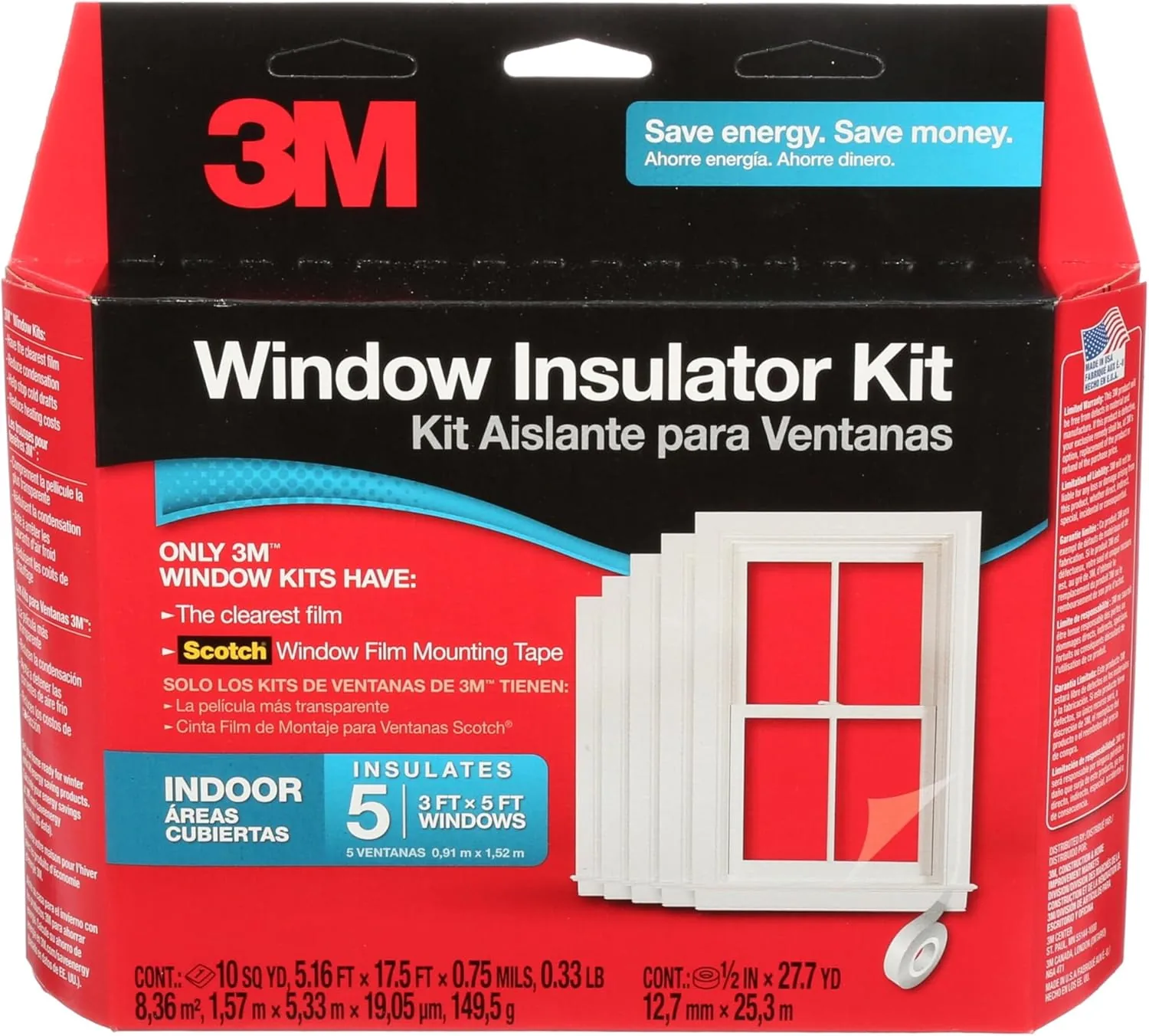
3M Indoor Window Insulator Kit (5-window)
Heat-shrink film · Double-sided tape · Crystal clear
View on AmazonOwens Corning AttiCat Blown-In Insulation
Eco-PremiumDIY attic top-off to R-49 that permanently reduces thermal transfer. Rent the AttiCat blowing machine free at most home centers when you purchase 10+ bags. The loose-fill settles evenly around joists and penetrations, covering gaps that batts miss. May qualify for state or utility insulation rebates — check your provider. (The federal 25C credit ended after 31 December 2025.)
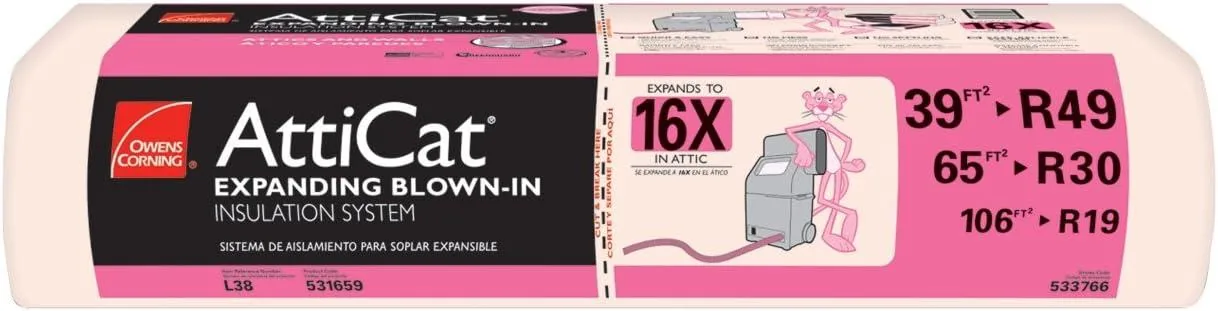
Owens Corning AttiCat Blown-In Insulation
Loose-fill fiberglass · Machine rental included · R-49 capable
View on AmazonFree: Home Energy Audit Checklist (PDF)
A two-page, room-by-room checklist for finding air leaks, standby power and heating and cooling waste yourself, in the order that pays back fastest. Get it now, plus new fix guides by email. Unsubscribe any time.
By signing up you agree to receive emails from EcoHome Intelligence. See our Privacy Policy.
Frequently Asked Questions
Should I hire a pro or DIY my insulation?
DIY makes sense for weatherstripping, outlet gaskets, window film, and loose-fill attic top-offs using a rental blowing machine. Hire a pro for spray foam, crawl-space encapsulation, or dense-packing exterior walls. The sweet spot for most homeowners is DIY air sealing plus professional blown-in insulation.
I rent. What draft fixes can I do without permanent changes?
Renters should focus on reversible solutions: 3M shrink-film window kits (remove in spring with no residue), foam weatherstripping that peels off cleanly, draft stoppers for doors, and outlet gaskets. Avoid spray foam or anything that alters the structure.
How do I find hidden drafts without a thermal camera?
On a windy day, hold a lit stick of incense near windows, doors, outlets, and baseboards. If the smoke wavers, you have an air leak. A damp hand also works—cool spots indicate drafts. For attic hatches, look for daylight peeking through gaps.
Does attic insulation really lower heating bills?
Yes. The Department of Energy states that attic heat loss is the single biggest driver of drafty rooms below. ENERGY STAR recommends R-49 to R-60 for attics in most climate zones.
Ready to stop the drafts?
Get the full 2026 Insulation Upgrade Checklist with room-by-room leak detection, material calculators, and rebate links.
Download the Free Checklist