EcoGuide · Electric Bills · Updated 2026-09-30 · 800 words
Home Energy Storage and Peak Shaving: Batteries vs Load Shifting
The Short Answer
Storage only saves money if your electricity costs different amounts at different times, which is what a time-of-use (TOU) rate does. Then the idea is simple: use power when it is cheap and avoid it when it is expensive. There are three ways, from free to very expensive:
| Approach | How it works | Cost |
|---|---|---|
| Load shifting | Run the dishwasher, laundry and EV charging off-peak | Free (delay-start buttons, schedules) |
| Thermal storage | Pre-cool or pre-heat the house, heat water off-peak | Free to low (thermostat schedule, water heater timer) |
| Battery | Charge from solar or off-peak power, discharge at peak | High (a whole-home battery, professionally installed) |
Start at the top. Most of the benefit of a battery on a TOU rate is available from shifting first, and it tells you how much peak use you actually have left to cover.
Step 1: Check Your Rate
Look at your bill or your utility’s rate schedule for “peak” and “off-peak” prices and the hours they apply. Note three things: the peak hours, the price difference between peak and off-peak, and whether weekends are all off-peak. If you are on a flat rate, shifting saves nothing on energy cost; ask your utility whether a TOU plan would suit your household.
Step 2: Shift Loads (Free)
- Dishwasher and washing machine: use the delay-start button so they run after peak hours.
- EV charging: set the charging schedule in the car or charger app.
- Dryer: run it off-peak. Note that electric dryers are 240 V appliances: never put one on a plug-in smart plug.
- Plug-in 120 V devices within a smart plug’s rating (dehumidifiers, some window AC units) can run on a smart plug schedule; check the device’s wattage against the plug.
We may earn a commission if you buy through these links, at no extra cost to you. Products are chosen on published specifications; we do not test them in-house (how we choose).
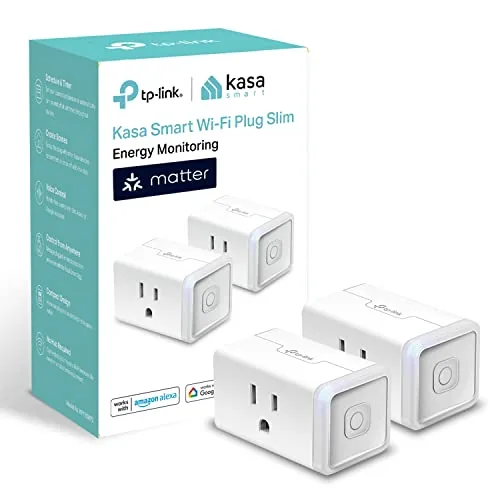
Kasa KP125M Smart Plug with Energy Monitoring
Schedules plug-in 120 V devices off-peak and shows their kWh; 15 A / 1,800 W resistive rating.
View on AmazonStep 3: Use Your House as a Thermal Battery
- Pre-cool before peak in summer: cool the house a little extra before peak hours start, then let the temperature drift up during peak. The walls, floors and furniture hold the coolness.
- Water heater timing: a well-insulated tank keeps water hot for hours, so heating it off-peak can cover peak-hour use. On an electric water heater this needs a timer rated for it; most are 240 V and hardwired, so have an electrician install one. Some heat pump water heaters have scheduling built in.
- Keep setpoints sensible: DOE’s rule of thumb is that turning the thermostat back 7–10°F for 8 hours a day can save as much as 10% a year; on a heat pump, keep winter setbacks small so recovery does not trigger expensive aux heat.
Step 4: Consider a Battery
A home battery stores energy from solar panels or off-peak grid power and discharges it during peak hours or an outage. For scale, Tesla lists the Powerwall 3 at 13.5 kWh of nominal energy per unit, with time-based control for TOU rates, solar self-consumption and automatic backup.
Whether it pays depends on numbers only you can get: your daily peak-hour kWh after shifting, your peak/off-peak price difference, your installed quote, any incentives, and how much you value backup power in outages. Multiply peak kWh you would cover by the price difference, then by the days a year it applies, and compare with the installed cost.
Free: Home Energy Audit Checklist (PDF)
A two-page, room-by-room checklist for finding air leaks, standby power and heating and cooling waste yourself, in the order that pays back fastest. Get it now, plus new fix guides by email. Unsubscribe any time.
By signing up you agree to receive emails from EcoHome Intelligence. See our Privacy Policy.
Frequently Asked Questions
Does home energy storage save money?
Only if your electricity price varies by time of day (a time-of-use rate) or you want backup power. Shifting when appliances run captures much of the same benefit for free, so start there.
What is peak shaving?
Reducing how much electricity you use during the most expensive peak hours, by shifting loads, pre-cooling or pre-heating, or discharging a battery.
How big is a home battery?
Tesla lists the Powerwall 3 at 13.5 kWh of nominal energy per unit, and systems can be expanded with more units.
Can I put my dryer or EV charger on a smart plug?
No. Electric dryers and most EV chargers are 240 V or exceed a plug-in smart plug’s rating. Use the appliance’s own delay start or charging schedule instead.
Related Guides
- How to lower your electric bill in summer — cooling costs
- Best home energy monitors — see your peak-hour use
- Water heating — the second-biggest energy use
