Published 2026 · EcoHome Intelligence
How to Lower Electric Bill in Summer
Last Updated: 2026-07-14
Summer cooling can be the biggest line on the bill. These 4 proven strategies cut your bill without sacrificing comfort.
1. Optimize Your Thermostat Schedule
Set it and forget it: 78°F when home, 85°F when away. Every degree cooler than you need makes the AC run longer. DOE says setting the thermostat back 7–10°F for 8 hours a day can save as much as 10% a year on heating and cooling.
2. Use Fans + AC Together
Ceiling fans make a room feel 4°F cooler, letting you raise the thermostat. Use counterclockwise setting in summer. Turn off when leaving — fans cool people, not rooms.
3. Block Solar Heat Gain
Close blackout curtains on sunny windows during the hottest hours to keep solar heat out. Focus on south and west-facing windows. Close them by 10 AM on hot days.
4. AC Maintenance Checklist
- Replace filters monthly (set phone reminder)
- Clean outdoor unit debris weekly
- Schedule professional tune-up annually
- Check ductwork for leaks with incense smoke
Get our Climate Calibration guide for HVAC optimization. See all our kits and bundles.
Your 15-Minute Summer Bill Triage
- Check runtime first. If the AC runs nonstop from 2 PM to 8 PM, the issue is usually heat gain or airflow, not the thermostat setting alone.
- Look at the hottest rooms. West-facing bedrooms, upstairs hallways, and bonus rooms over garages usually explain the spike.
- Shift the big heat loads. Laundry, dishwashers, and ovens after sunset reduce peak-hour cooling strain.
- Measure your filters and vents. A clogged filter or shut supply register can quietly raise costs all month.
If one room is driving the whole house colder than it needs to be, start with our upstairs cooling guide before buying a bigger AC.
The Summer Upgrades Worth Doing First
Most homeowners do not need a new HVAC system to cut summer bills. The best order is usually: blackout curtains or window film, a correct thermostat schedule, filter maintenance, and room-by-room airflow fixes. Only after those are done should you look at equipment replacement.
Portable AC users should also read how to cut portable AC electricity cost, because one poorly vented unit can erase the savings from every other summer tweak.
When a High Summer Bill Is Really a House Problem
If one side of the house cooks every afternoon, your bill problem may be insulation, duct imbalance, or solar gain—not “weak AC.” That is why some homeowners replace perfectly functional cooling equipment and still hate the next bill. The equipment was never the root cause.
When the same rooms are always too hot, shift from thermostat tweaking into envelope fixes: window shading, attic bypass sealing, and targeted airflow correction. That sequence keeps you from buying tonnage to solve a comfort imbalance.
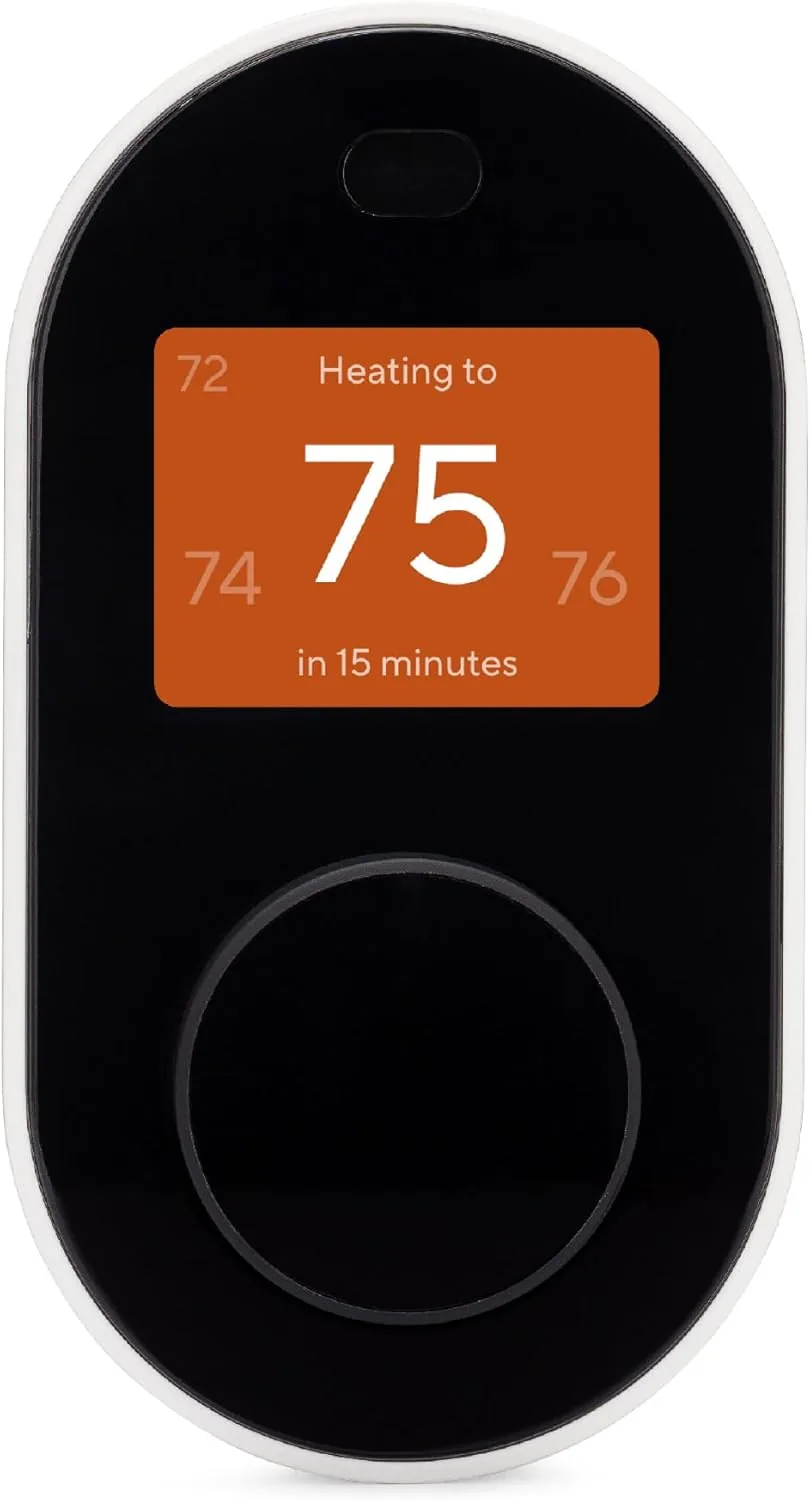
Wyze Smart Thermostat
Budget Wi-Fi thermostat with app scheduling; works with Alexa and Google Assistant.
View on AmazonFree: Home Energy Audit Checklist (PDF)
A two-page, room-by-room checklist for finding air leaks, standby power and heating and cooling waste yourself, in the order that pays back fastest. Get it now, plus new fix guides by email. Unsubscribe any time.
By signing up you agree to receive emails from EcoHome Intelligence. See our Privacy Policy.
Frequently Asked Questions
What uses the most electricity in summer?
Air conditioning is usually the biggest summer energy user; ENERGY STAR says nearly half of home energy use goes to heating and cooling. How much central AC costs depends on the system, the house and your rate; the thermostat setting is the lever you control. The next biggest categories are pool pumps, refrigeration, and dehumidifiers.
What thermostat temperature saves the most in summer?
The DOE recommends 78°F when you're home and 85°F when away. Set it as warm as you are comfortable with; every degree cooler makes the AC run longer. ENERGY STAR puts average smart thermostat savings at about 8% of heating and cooling bills, around $50 a year.
Should I turn off my AC when I leave?
No. Turning AC completely off in summer makes the system work much harder to cool down a hot house. Set it to 85°F away mode instead. The recovery cooling is faster and more efficient.
Do ceiling fans actually lower AC costs?
Yes — ceiling fans create a wind chill effect that lets you raise the thermostat by 4°F without noticing. Each degree higher shortens how long the AC runs. Run fans counterclockwise in summer at medium speed.
