Regional Guide · Updated May 2026 · 13 min read · EcoHome Intelligence
Why Is My Electric Bill So High in NJ? A DIY Energy Audit Checklist
New Jersey's electric rates are among the highest in the nation. Delivery charges and supply charges both scale with the kWh you use. Here is how to survive—and cut your bill—without major renovations.
In This Guide
The NJ Rate Shock
A recent post in r/energy titled "NJ energy bills making me question adulthood.... any survival tips?" shows a user overwhelmed by sky-high New Jersey energy bills and desperate for actionable, low-cost ways to cut usage without major renovations.
If you live in NJ, NY, MA, or CA, you know the feeling. Delivery fees plus supply charges make your effective rate higher than the supply price alone. Divide your total bill by your kWh to get your effective rate. Every kWh you avoid saves the full effective rate.
Want the NJ-specific energy audit checklist?
Download our High-Rate State Survival Guide with NJ utility portal walkthroughs, ESCO comparison tips, and rebate links for PSE&G, JCP&L, and Atlantic City Electric.
Why NJ Bills Cost So Much
New Jersey's electric market is deregulated, which means you can shop for supply rates—but delivery fees are set by your local utility and have risen sharply for grid modernization. Check your bills: delivery and supply charges change over time. That means your bill can climb even if you use the same kWh as last year.
The other hidden driver is time-of-use (TOU) plans. Many NJ utilities default new customers into TOU rates. If you run your dishwasher, dryer, or EV charger during peak hours (4 PM–9 PM on weekdays), you pay the higher peak price.
Step 1: Check the Rate Structure
Log into your utility portal and confirm whether you are on a fixed, variable, or time-of-use plan. For PSE&G, look under "My Account > Billing > Rate Plan." For JCP&L, check "My Usage > Plan Details." If you are on TOU, shift high-load tasks to off-peak hours (typically 10 PM–6 AM).
Call your utility to ask about budget billing, which spreads your annual average into 12 equal payments. This does not lower your total cost, but it eliminates the sticker shock of summer and winter spikes.
Step 2: 10-Minute Air-Seal Sprint
Apply foam weatherstripping to doors, caulk window frames, and install draft stoppers. ENERGY STAR estimates that air sealing plus adding insulation saves an average of 15% on heating and cooling costs.
Focus on the attic hatch, exterior doors, and windows facing the prevailing wind (usually northwest in NJ). A stick of incense on a windy day will show you exactly where the leaks are.
See our State-by-State Energy Guide to see how NJ compares to neighboring states and what fixes matter most in your region.
Step 3: Find the Phantom Furnace
Use an outlet-level energy monitor on major appliances—fridge, space heater, dehumidifier—to identify the culprit driving usage up. An old dehumidifier running 24/7 can use a lot; measure it with a plug-in meter: watts × 8.76 = kWh a year. A failing refrigerator compressor runs longer and uses more.
Plug each suspect into a Kill A Watt for 48 hours. If the kWh reading is higher than the manufacturer's spec, you have found your phantom furnace.
Product Recommendations: Budget / Performance / Eco-Premium
3M Indoor Window Insulator Kit
BudgetA film-and-tape kit that adds an insulating air layer to old single-pane windows common in pre-1980s NJ homes. It stops the "cold waterfall" draft feeling and is removable in spring with no residue.
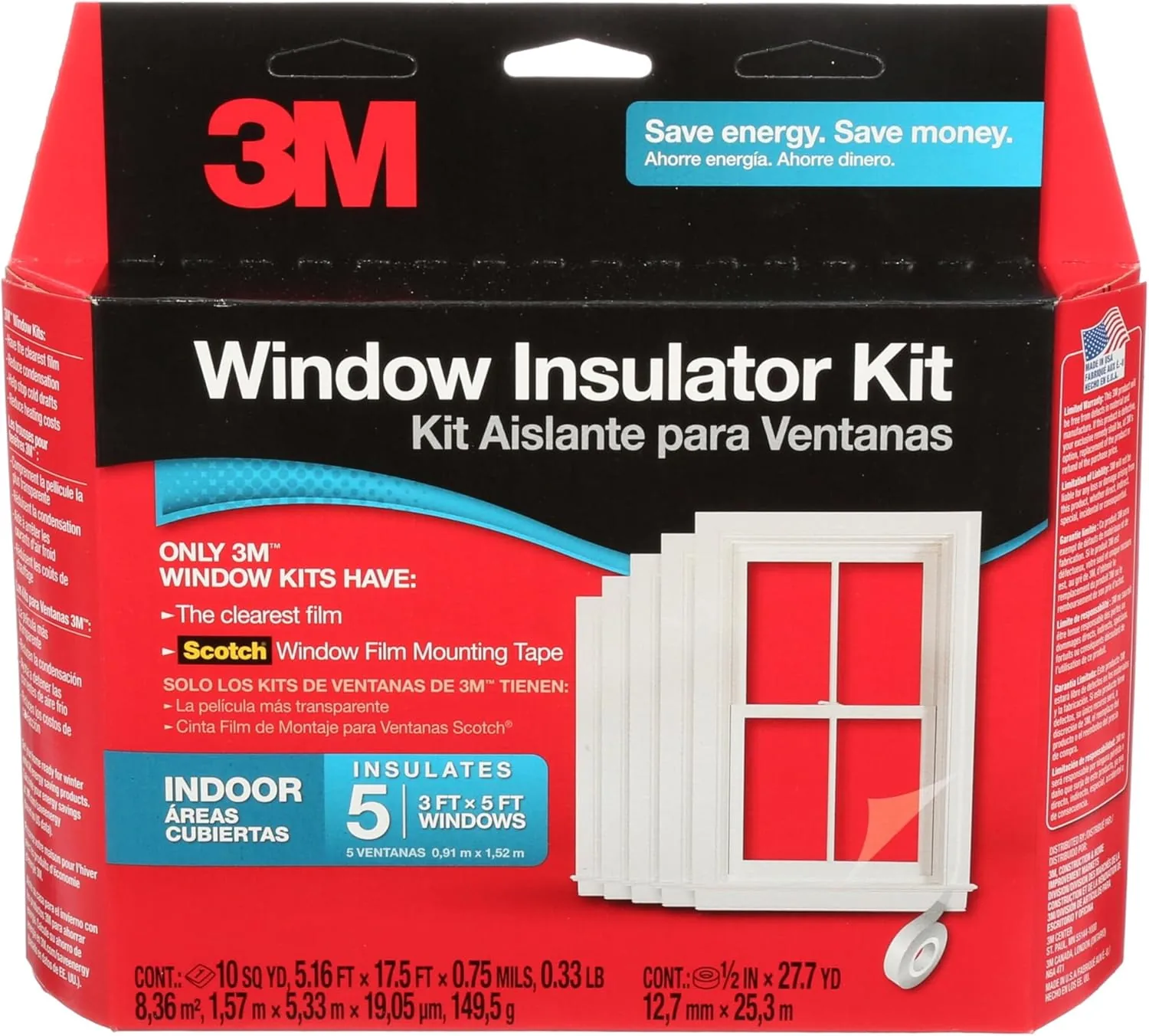
3M Indoor Window Insulator Kit (5-window)
Heat-shrink film · Double-sided tape · Renter-friendly
View on AmazonEmporia Vue Smart Home Energy Monitor
PerformanceWhole-home circuit-level monitoring via clamp-on sensors. Spots the exact circuit causing the spike—whether it is the water heater, dryer, or HVAC. In high-rate states like NJ, knowing which circuit to target pays for the monitor in under two months.
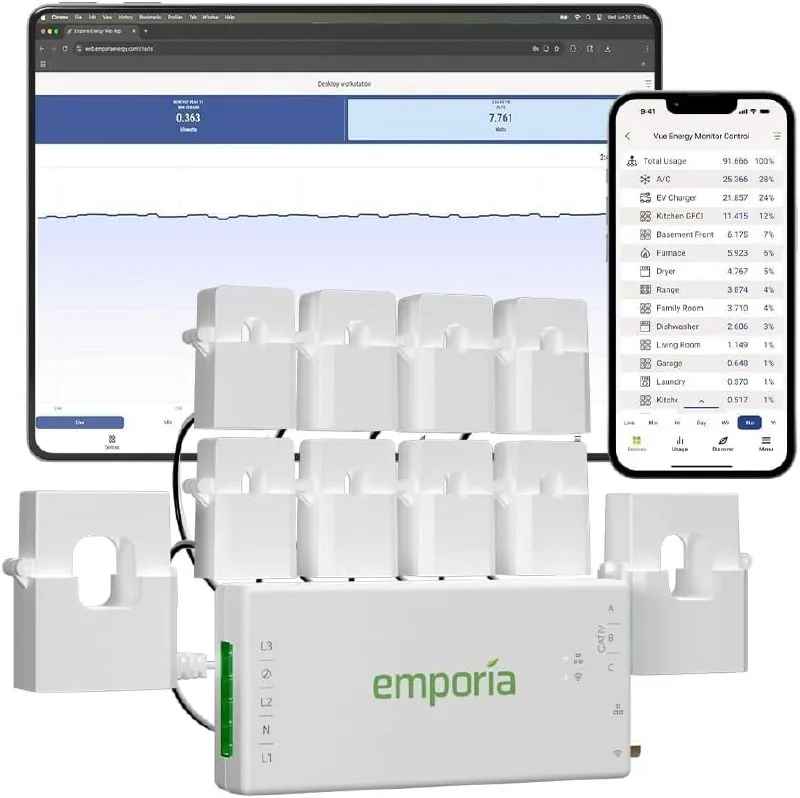
Emporia Vue 3 Home Energy Monitor
16 circuit sensors · Real-time app · Solar-compatible
View on AmazonRefoss Smart Home Energy Monitor
Eco-PremiumClamps up to 16 individual circuits plus the mains, so you see exactly which breaker is drawing power. It runs locally, with native Home Assistant support, an open API and MQTT, so it keeps logging if the cloud or your internet goes down.
Refoss Smart Home Energy Monitor (16 circuit sensors)
Panel monitor with local control: native Home Assistant, open API and MQTT, and it keeps working without the cloud.
View on AmazonFree: Home Energy Audit Checklist (PDF)
A two-page, room-by-room checklist for finding air leaks, standby power and heating and cooling waste yourself, in the order that pays back fastest. Get it now, plus new fix guides by email. Unsubscribe any time.
By signing up you agree to receive emails from EcoHome Intelligence. See our Privacy Policy.
Frequently Asked Questions
Should I switch energy suppliers in NJ?
In NJ's deregulated market, you can choose an Energy Service Company (ESCO) for your supply rate. Compare the "price to compare" on your utility bill against ESCO fixed rates. Be wary of teaser rates that spike after an introductory period. Always read the fine print and avoid variable ESCO plans unless you understand the risks.
I rent in NJ. What can I do to lower my bill?
Renters should focus on reversible solutions: 3M shrink-film window kits, smart power strips, outlet-level energy monitors, and foam weatherstripping that peels off cleanly. You cannot change the structure, but you can cut usage and identify which appliance the landlord should repair.
How high are NJ electric rates compared to the national average?
New Jersey's rates are among the higher ones in the country; your bill shows your supply and delivery charges per kWh. Delivery fees in the PJM grid region are among the highest in the country. To see what you actually pay, divide your total bill by the kWh used: that effective rate includes delivery charges.
Can I get a free energy audit in NJ?
Yes. NJ's Clean Energy Program offers free home energy audits through participating contractors. PSE&G, JCP&L, and Atlantic City Electric also provide online audit tools and rebates for insulation, smart thermostats, and HVAC upgrades. Check your utility's website for current rebate availability.
Ready to lower your NJ electric bill?
Get the full NJ Energy Audit Checklist with utility portal walkthroughs, ESCO comparison tips, and rebate links.
Download the Free ChecklistWhat to do after the NJ bill audit
After you spot the expensive rooms, devices, or rate-plan problems, use these next steps to turn the audit into actual savings.
Compare recovery kits
See which bundle matches the exact leak you just diagnosed and start with the right gear.
Quick Quiz
Get a faster diagnosis if you are still torn between HVAC, phantom loads, thermal leaks, or lighting waste.
Heat Pump vs Furnace
Which system saves more in NJ's climate? Full cost breakdown.
Browse all guides
Step-by-step fixes for thermostats, heat pumps, drafts and standby power.
