EcoGuide · Air Sealing · Updated 2026-09-28 · 800 words
The 10-Minute Outlet Draft Test: Find and Seal Leaky Outlets
Why Outlets Leak
An outlet or switch on an exterior wall is a hole cut through the wall’s air barrier, with a plastic box in it and a thin cover plate on top. Air moves through the gaps around the box and out through the plate — you can often feel it on a cold, windy day.
The Department of Energy’s Energy Saver guide lists electrical outlets and boxes among the places to check for leaks, and recommends foam gaskets behind outlet and switch plates as the fix. It is one of the cheapest air-sealing jobs in a house.
The Test: Ten Minutes, No Tools
- Pick a windy day, or make your own pressure difference: close all windows and exterior doors, and turn on every exhaust fan (bathroom fans, the range hood). That pulls outside air in through the leaks.
- Light an incense stick (or use a smoke pen) and hold it a couple of inches from each outlet and switch plate on an exterior wall. DOE’s test is simple: if the smoke stream moves sideways instead of rising, you have found a leak.
- No incense? The back of a damp hand works for strong drafts; you will feel the cold air.
- Mark each leaky plate with a sticky note or a photo so you can seal them in one go.
Safety: keep smoke and flame away from curtains, and if you have a gas furnace, water heater or fireplace, do not leave exhaust fans running for long with the house closed up — strong depressurisation can pull combustion gases back down a flue.
Where to Look First
- Outlets and switches on exterior walls, especially under windows.
- Kitchen and bathroom outlets on exterior walls, where plumbing and wiring share openings.
- Outlets on walls next to an unheated garage or attic kneewall.
- Interior walls rarely matter: both sides are heated.
The Fix: Foam Gaskets
- Switch off the breaker for the outlets you are working on and confirm they are dead.
- Remove the cover plate (one or two screws).
- Fit the pre-cut foam gasket over the outlet or switch, then refit the plate. Child-safety plugs in unused sockets stop air coming through the slots too.
- Re-test with the incense stick.
Do not spray expanding foam into an electrical box. If there is a large gap between the box and the drywall, seal it around the outside of the box with caulk, with the power off, or leave it to an electrician.
What You Need
Any pre-cut outlet gasket does the job. These are the ones we list across the site.
We may earn a commission if you buy through these links, at no extra cost to you. Products are chosen on published specifications; we do not test them in-house (how we choose).
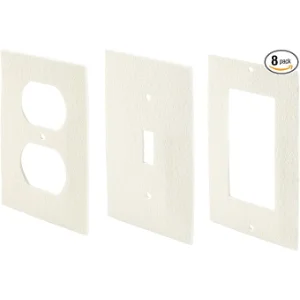
Frost King Electric Outlet Sealers
Pre-cut foam gaskets for outlets and switches; fit behind the cover plate.
View on Amazon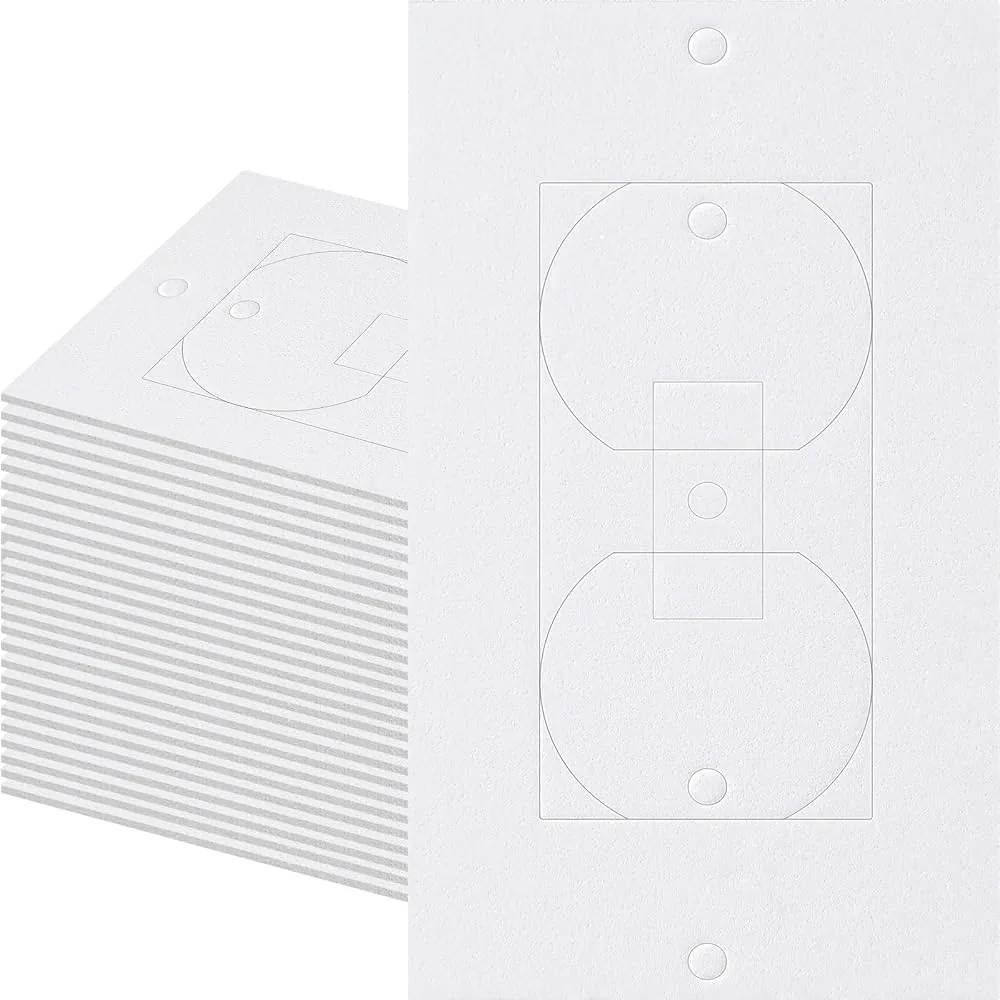
Outlet Insulator Foam Gaskets 50-Pack
Bulk pack for doing every exterior-wall outlet and switch at once.
View on AmazonOutlets Are Rarely the Biggest Leak
Sealing outlets is worth doing because it is cheap and quick, but in most houses the larger leaks are in the attic floor, around the attic hatch, at the rim joist in the basement, and around doors. If you want to go further, start with sealing the attic hatch and finding air leaks and cold spots.
Free: Home Energy Audit Checklist (PDF)
A two-page, room-by-room checklist for finding air leaks, standby power and heating and cooling waste yourself, in the order that pays back fastest. Get it now, plus new fix guides by email. Unsubscribe any time.
By signing up you agree to receive emails from EcoHome Intelligence. See our Privacy Policy.
Frequently Asked Questions
Can I use expanding spray foam to seal an outlet?
Not inside the electrical box. Use pre-cut foam gaskets behind the cover plate. If there is a large gap around the outside of the box, seal it with caulk with the power off, or have an electrician do it.
Do I need to seal outlets on interior walls?
Generally no. Air leaks happen where a wall separates heated space from outside or from an unheated space, so focus on exterior walls and walls next to garages or attics.
Do foam outlet gaskets work in apartments?
Yes. They sit behind the cover plate and come out when you move, with no adhesive or caulk.
How do I find air leaks around outlets?
On a windy day, or with all exhaust fans running and windows closed, hold a lit incense stick near each outlet on an exterior wall. If the smoke moves sideways, air is leaking.
Related Guides
- How to find air leaks and cold spots — six methods from free to thermal cameras
- Best thermal leak detectors — for finding leaks faster
- How to seal an attic hatch — usually a bigger leak than any outlet
