EcoGuide · Air Sealing · Updated 2026-09-30 · 1,100 words
How to Find Thermal Leaks in Your House: 5 Methods
The Short Answer
A thermal leak is anywhere heat gets through the shell of your house: air leaking through gaps, or heat passing through spots with little or no insulation. ENERGY STAR estimates that sealing air leaks and adding insulation saves an average of 15% on heating and cooling costs (about 11% of total energy costs).
| Method | Cost | Finds |
|---|---|---|
| 1. Incense or smoke test | Free | Moving air (drafts) |
| 2. Hand test on a cold, windy day | Free | Strong drafts |
| 3. Leak detector or infrared thermometer | Low | Cold spots, one at a time |
| 4. Thermal camera | High | Cold spots across a whole wall, as a picture |
| 5. Professional audit with blower door | Varies; ask your utility | Every leak, measured |
Start with the free methods. They find most drafts around windows, doors and outlets; the tools earn their keep on missing insulation you cannot feel.
Before You Start: Depressurize the House
Leaks show up best when there is a big temperature difference and air is being pulled through the gaps. The Department of Energy recommends testing “on a cool, windy day”. Close all windows and exterior doors, turn off combustion appliances such as a gas furnace or water heater, and switch on the bathroom and kitchen exhaust fans. That pulls outside air in through every gap.
Method 1: The Incense Test (Free)
Light an incense stick and pass it slowly along the edges of each suspect spot. DOE’s test: if the smoke is drawn into or blown out of the room, there is an air leak. Mark each one with painter’s tape as you go.
Method 2: The Hand Test (Free)
On a cold, windy evening, run a slightly damp hand along window and door frames, baseboards and outlet plates on exterior walls. A cool stream of air is a draft. It is quick but only catches the stronger leaks.
Method 3: A Leak Detector or Infrared Thermometer
These read the surface temperature of one spot at a time. A dedicated leak detector such as the BLACK+DECKER TLD100 compares each spot with a reference and lights blue when it is colder; an infrared thermometer gives a number you compare yourself. Both find cold spots that are not drafty enough to feel, such as missing insulation behind a wall section. Our thermal leak detector guide compares them on specs.
We may earn a commission if you buy through these links, at no extra cost to you. Products are chosen on published specifications; we do not test them in-house (how we choose).
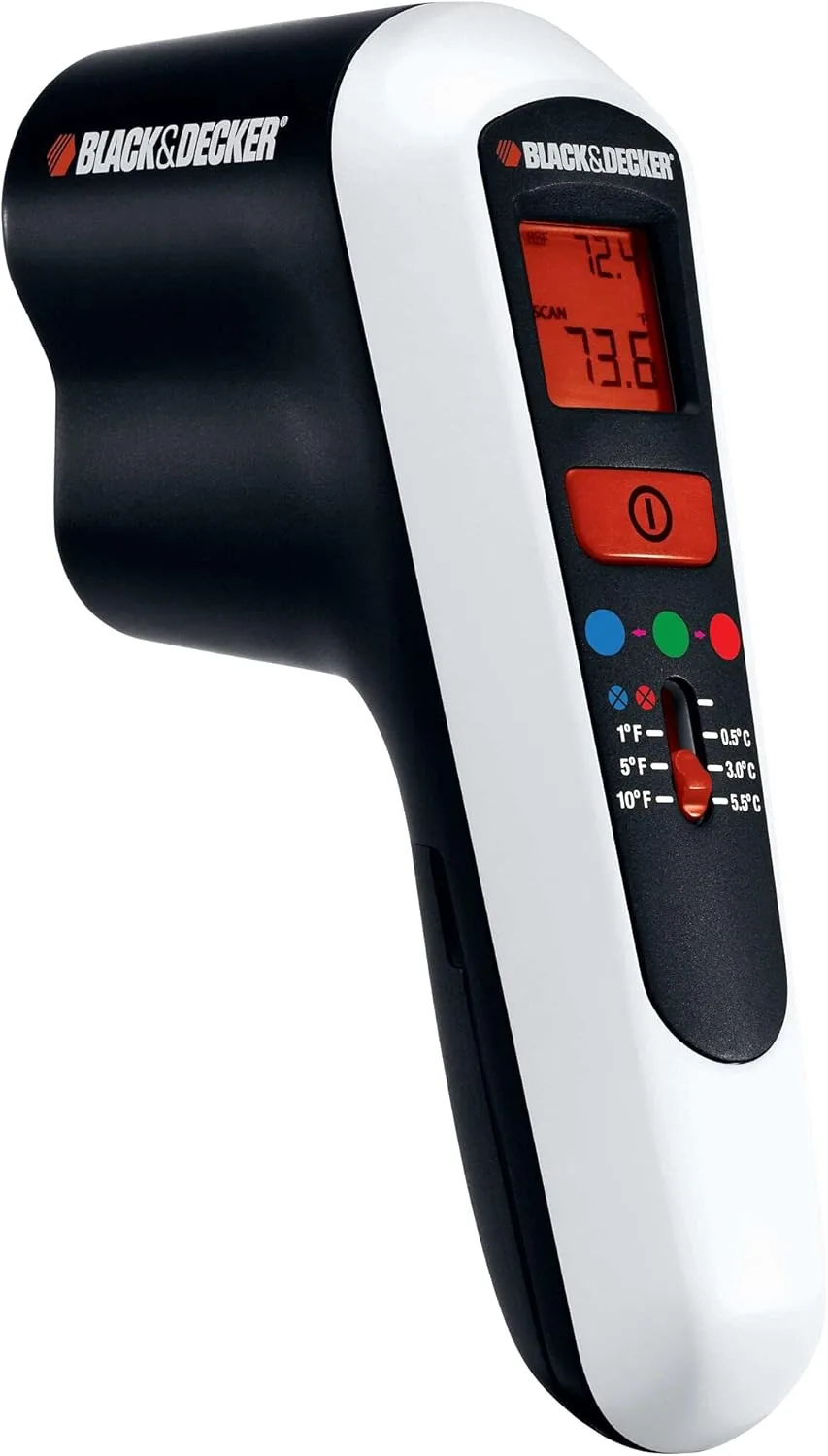
BLACK+DECKER TLD100 Thermal Leak Detector
Set a reference temperature; the light turns blue on colder spots (1°F, 5°F or 10°F variance).
View on Amazon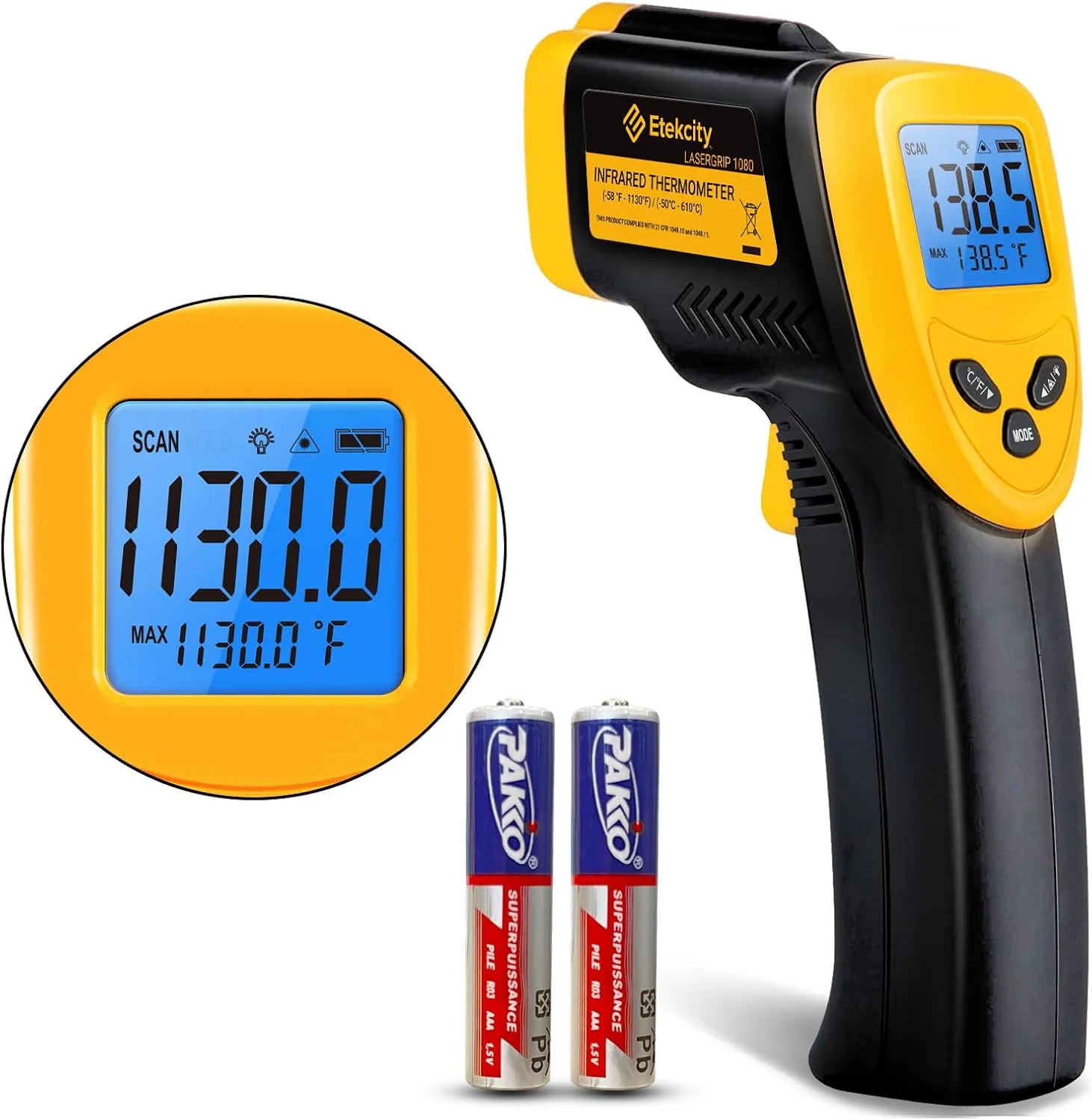
Etekcity Lasergrip 1080 Infrared Thermometer
12:1 distance-to-spot, adjustable emissivity; compare readings against a baseline.
View on AmazonMethod 4: A Thermal Camera
A thermal camera shows the temperature of a whole wall as a picture, so a cold stripe along a ceiling joint or an empty stud bay is obvious, and you can save images for a contractor. It costs several times more than a spot tool; see the thermal camera pick in our detector guide.
Method 5: A Professional Energy Audit
An energy auditor combines a blower door test, which depressurizes the whole house and measures how leaky it is, with an infrared scan. DOE notes that done together, “air leaks show up as black streaks in the infrared image”. Consider one if the house is older, you suspect missing wall insulation, or you are planning renovations. Many utilities offer audits at a discount; ask yours.
Where to Look
DOE’s checklist of common leak locations:
- Window and door frames, and where the frames meet the wall.
- Electrical outlets and switch plates on exterior walls.
- Baseboards, and where the floor meets the wall.
- Attic hatches, recessed lights and plumbing or wiring holes into the attic.
- Anywhere two materials meet: brick and siding, the foundation and the walls, the chimney and the siding.
How to Fix What You Find
- Doors and windows: new weatherstripping and a door sweep; caulk cracks in the frames. See door weatherstripping.
- Outlets and switches: foam gaskets behind the cover plates, with the power off. See the outlet test.
- Attic hatch: weatherstrip the rim and fix rigid foam to the back. See how to seal an attic hatch.
- Bigger gaps and the rim joist: expanding foam; see sealing a drafty basement.
We may earn a commission if you buy through these links, at no extra cost to you. Products are chosen on published specifications; we do not test them in-house (how we choose).
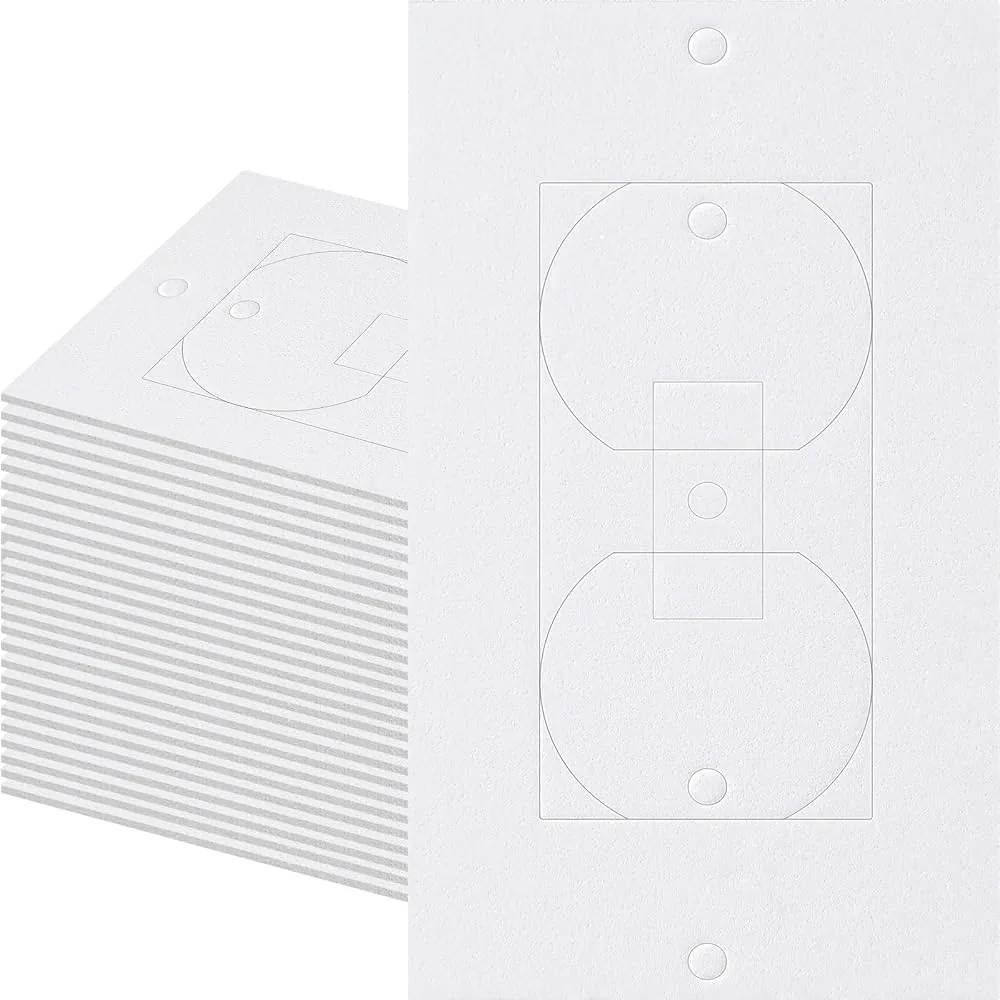
Outlet Insulator Foam Gaskets (50-pack)
Fit behind outlet and switch plates on exterior walls.
View on AmazonFree: Home Energy Audit Checklist (PDF)
A two-page, room-by-room checklist for finding air leaks, standby power and heating and cooling waste yourself, in the order that pays back fastest. Get it now, plus new fix guides by email. Unsubscribe any time.
By signing up you agree to receive emails from EcoHome Intelligence. See our Privacy Policy.
Frequently Asked Questions
How do I find air leaks in my house?
Depressurize the house on a cool, windy day (windows and doors shut, exhaust fans on, combustion appliances off), then pass a lit incense stick along window and door frames, outlets, baseboards and the attic hatch. Smoke that is pulled in or blown away marks a leak.
Do I need a thermal camera to find leaks?
No. Incense and hand tests find most drafts. A leak detector or infrared thermometer finds cold spots you cannot feel; a thermal camera is worth it mainly for missing wall insulation or for images to show a contractor.
How much does sealing air leaks save?
ENERGY STAR estimates that air sealing plus adding insulation saves an average of 15% on heating and cooling costs, or about 11% of total energy costs. Your result depends on how leaky the house is.
When should I get a professional energy audit?
When the house is older, you suspect missing wall insulation, the DIY tests do not explain high bills, or you are planning renovations. A blower door test measures how leaky the house is and, with an infrared scan, shows where.
Related Guides
- Best thermal leak detector — spot tools vs a thermal camera
- The 10-minute outlet draft test — outlets and switch plates
- How to seal an attic hatch — often one of the biggest single leaks
