Drafty Basement Driving Up Your Energy Bill? How to Find and Seal Air Leaks Before Winter
Last Updated: 2026-07-14
Basements are the biggest hidden source of air leakage in most homes. Rim joists, window wells, and poorly sealed exterior doors can dump conditioned air and pull in cold — forcing your furnace or heat pump to run longer. Here's how to find and fix the worst leaks in under an hour.
Why Basements Are the #1 Hidden Energy Leak
Most homeowners think attic insulation is the biggest energy saver — and it is. But the basement is where the air leaks. The stack effect pulls cold air in through basement gaps and pushes warm air out through the attic. If you seal only the attic, you've fixed half the problem. For a baseline before any project, see our guide to the best home energy monitors.
ENERGY STAR estimates that air sealing plus insulation saves an average of 15% on heating and cooling costs, and the basement rim joist is one of the main places to seal. In summer, the same gaps let humidity creep in, making your AC work harder. The fix is cheap and usually takes an afternoon.
Why Closing the Basement Door Makes It Worse
The stack effect in your home never stops. Warm air rises and escapes through the upper floors and attic. That negative pressure has to be made up somewhere, and the easiest path is the basement. When you close the basement door, you force that make-up air to come through smaller and smaller gaps. The pressure differential across the rim joist gets stronger, which means more cold air pulled in per square inch of gap. That is why bills sometimes climb after a homeowner "seals off" the basement with a closed door instead of sealing the actual leaks.
The fix is at the source: stop the air from entering through the rim joist, the windows, and the door. Then the upstairs thermostat can settle at its real setpoint and the system stops compensating.
The Solution Path: Find and Seal in Three Steps
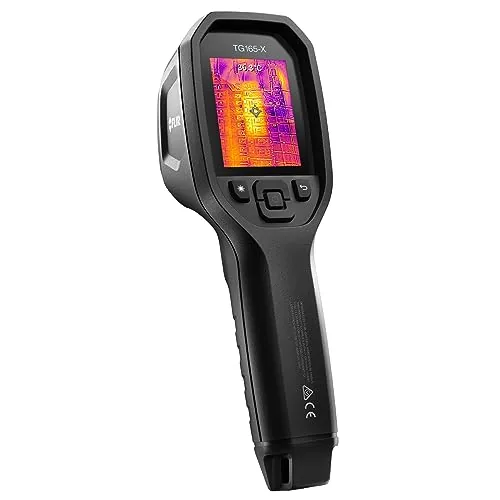
- Do a DIY draft hunt —On a windy day, hold a lit incense stick or thin candle near basement windows, the rim joist (where the wall meets the ceiling), and any exterior doors. Watch for sudden drafts or smoke drift to map the worst leak zones. Focus on: rim joist penetrations, window frames, exterior door thresholds, and any pipe or wire entries from outside.
- Seal the perimeter and penetrations —Fill small cracks and gaps around window frames with DAP Alex Plus caulk. Use expanding foam sealant (Great Stuff Gaps & Cracks) for larger voids around pipes, ducts, and the rim joist. Don't over-foam — low-expansion formula is safer around framing.
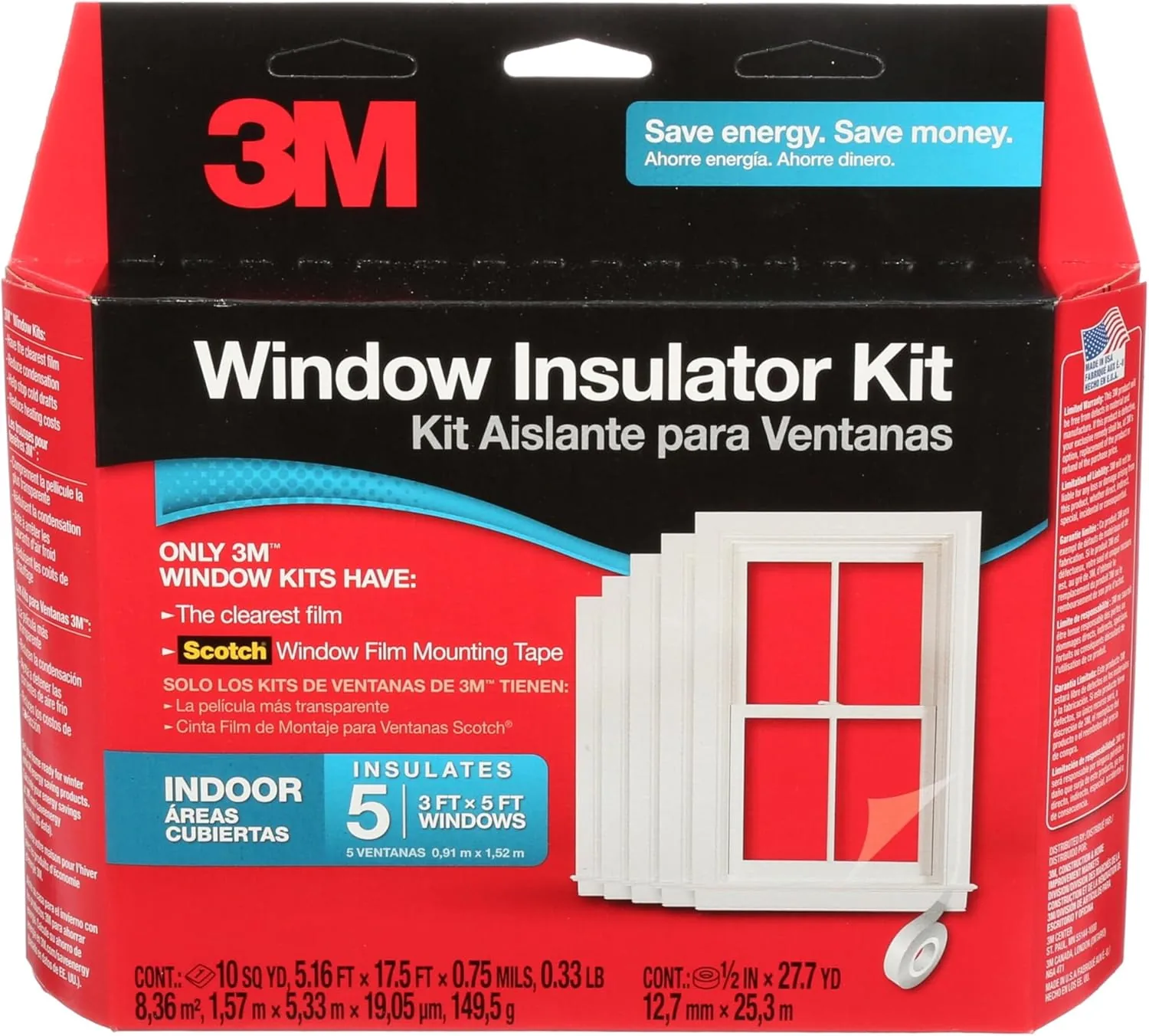
- Insulate windows and weatherstrip doors —Apply plastic shrink-film window kits to basement sash windows and install V-channel weatherstripping plus a door sweep on any exterior basement entry. These two fixes handle most basement leaks.
Recommended Products
Handling Common Objections
When the Basement Is Not the Problem
If you walk the basement with incense and find no significant leaks, the bill is coming from somewhere else. Three common alternatives:
- Attic air leaks (see the attic insulation guide): recessed lights, attic hatches, and bathroom fan penetrations are the most common upper-floor air leaks.
- A degrading appliance (see the silent-doubling guide): a water heater or refrigerator with a failing component can add 200 to 500 kWh per month.
- Utility rate creep (see the 2026 rate-hike survival plan): if your kWh is flat and your bill is climbing, the cause is on the rate side.
Free: Home Energy Audit Checklist (PDF)
A two-page, room-by-room checklist for finding air leaks, standby power and heating and cooling waste yourself, in the order that pays back fastest. Get it now, plus new fix guides by email. Unsubscribe any time.
By signing up you agree to receive emails from EcoHome Intelligence. See our Privacy Policy.
Frequently Asked Questions
Stop the Basement Drain Before Winter Hits
A drafty basement is a leak most homeowners never think to check. The fix is cheap, DIY and done in an afternoon. Don't wait for the next polar vortex to find out which gaps are costing you the most.
Find Every Leak in Your Home
Also read: Door Weatherstripping to stop drafts at the source, and Ductwork Deep Dive to seal hidden leaks.
Quick Quiz