EcoGuide · Hvac Recovery · Published 2026-05-19 · Last Updated 2026-06-13 · 718 words
How to Lower NJ Energy Bills: Smart Thermostat Hacks That Actually Cut Costs
The Problem
A New Jersey resident in r/energy posted that their energy bills feel like they have a “personal vendetta,” with AC running all summer and heating cranked all winter. They explicitly asked whether smart thermostats, energy-saving gadgets, or plain-old tricks actually save money—clear high-intent signal.
Why It Costs You Money
In New Jersey and similar mid-Atlantic states, bills swing hard between mild shoulder seasons and peak winter or summer. Every degree of thermostat drift or unnecessary runtime shows up on the bill. DOE says turning the thermostat back 7–10°F for 8 hours a day can save as much as 10% a year on heating and cooling, so a schedule that never sets back leaves that on the table.
The Solution Path
- Install a learning smart thermostat. Let it auto-adjust setbacks when you are asleep or away; ENERGY STAR puts average smart thermostat savings at about 8% of heating and cooling costs.
- Layer in air sealing and LED swaps. Smart thermostats optimize the HVAC, but they cannot fix heat escaping through gaps and inefficient lighting. Weather-strip doors and swap any remaining incandescents or CFLs to LEDs.
- Add a water heater jacket and pipe insulation. In NJ winters, a bare tank in an unconditioned basement bleeds heat continuously. Insulating the tank and the first few feet of pipe is one of DOE’s listed water heating savings.
Recommended Products
Budget
Frost King Vinyl Foam Tape: seal door and window gaps first, then add a budget smart thermostat
Eco-Premium: Nest Learning Thermostat (4th Gen) with AI-driven schedule adaptation + Mysa Smart Thermostat for baseboard heaters if applicable
Affiliate Disclosure
EcoHome Intelligence participates in the Amazon Associates program. Where our savings figures come from — estimates on this page are built on published ENERGY STAR, DOE and EIA figures, and your result will vary. We may earn a commission from qualifying purchases at no extra cost to you.
Free: Home Energy Audit Checklist (PDF)
A two-page, room-by-room checklist for finding air leaks, standby power and heating and cooling waste yourself, in the order that pays back fastest. Get it now, plus new fix guides by email. Unsubscribe any time.
By signing up you agree to receive emails from EcoHome Intelligence. See our Privacy Policy.
Frequently Asked Questions
Q: How quickly will I see savings?
A: Most homeowners notice a difference on their very next bill, but full savings typically appear within 1-2 billing cycles.
Q: Do I need professional help?
A: The diagnostic steps in this guide are designed for DIY. Only attic insulation and HVAC upgrades may require a pro.
Q: What if my bill doesn't drop?
A: Re-run the breaker test and verify your utility rate plan hasn't changed. Some savings are seasonal.
A Smart-Thermostat Schedule That Actually Saves
The most reliable savings come from boring consistency: a sleep setback, an away setback, and fewer manual overrides. In a mixed-climate market like New Jersey, many homes do well with mild winter setbacks overnight and slightly warmer daytime cooling targets when the house is empty.
If comfort falls apart after a setback, the issue is often airflow, insulation, or thermostat placement—not the schedule itself.
When a Thermostat Is Not Enough
A thermostat can reduce runtime, but it cannot stop attic bypasses, leaky ducts, or electric resistance strips from burning money. If bills are still ugly after scheduling, step outward into the building shell and HVAC hardware.
That is why this guide works best together with the creeping-bill diagnostic and the winter bill breakdown.
What to Watch on the Next Two Bills
After changing schedules, compare total runtime, comfort complaints, and whether anyone in the house keeps overriding the program. If overrides stay high, the fix is probably not another schedule tweak—it is a room-level comfort problem or a shell issue that keeps forcing manual intervention.
A thermostat saves best when the house is comfortable enough to let the schedule run.
Where the Schedule Usually Breaks
Schedules usually fail when one person works from home, one room overheats, or the family keeps using permanent hold to patch a comfort issue. In that case, the thermostat is exposing a room problem—not failing as a tool.
Fix the stubborn room and the automation becomes much easier to keep.
The Best Use of Hold and Temporary Overrides
A temporary override is useful for rare schedule exceptions. A permanent hold is usually a sign the schedule no longer matches reality. If the house lives on hold mode, rewrite the schedule instead of blaming the thermostat.
That one habit often recovers the savings people thought the smart thermostat had “stopped delivering.”
Build the rest of the savings plan
Thermostat tweaks are only step one. Use these next actions to confirm the leak, compare kits, and rank the upgrades.
Compare recovery kits
See which bundle matches the exact leak you just diagnosed and start with the right gear.
Quick Quiz
Get a faster diagnosis if you are still torn between HVAC, phantom loads, thermal leaks, or lighting waste.
Browse all guides
Step-by-step fixes for thermostats, heat pumps, drafts and standby power.
Products Mentioned in This Guide
We may earn a commission if you buy through these links, at no extra cost to you. Products are chosen on published specifications; we do not test them in-house (how we choose).
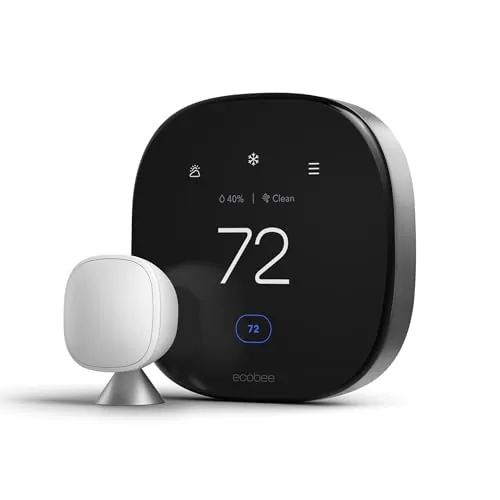
ecobee Smart Thermostat Premium
ecobee’s top model. Comes with one SmartSensor for room-level readings and has Alexa built in.
View on Amazon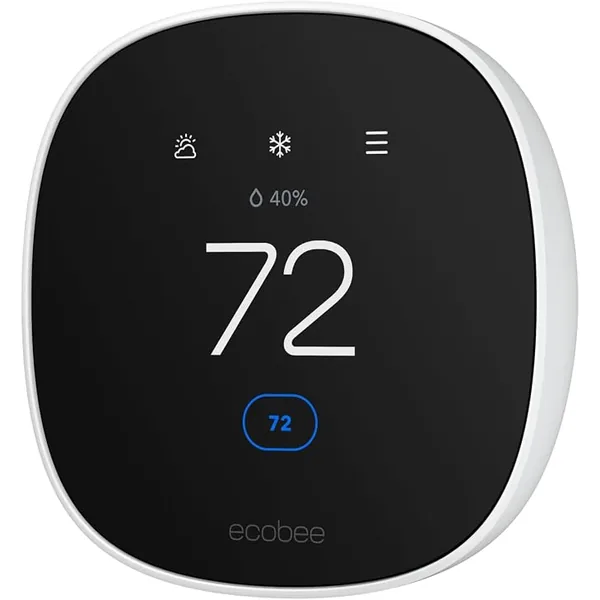
ecobee Smart Thermostat Essential
Entry-level ecobee with a color touchscreen. ENERGY STAR certified; works with Alexa, Google and HomeKit.
View on Amazon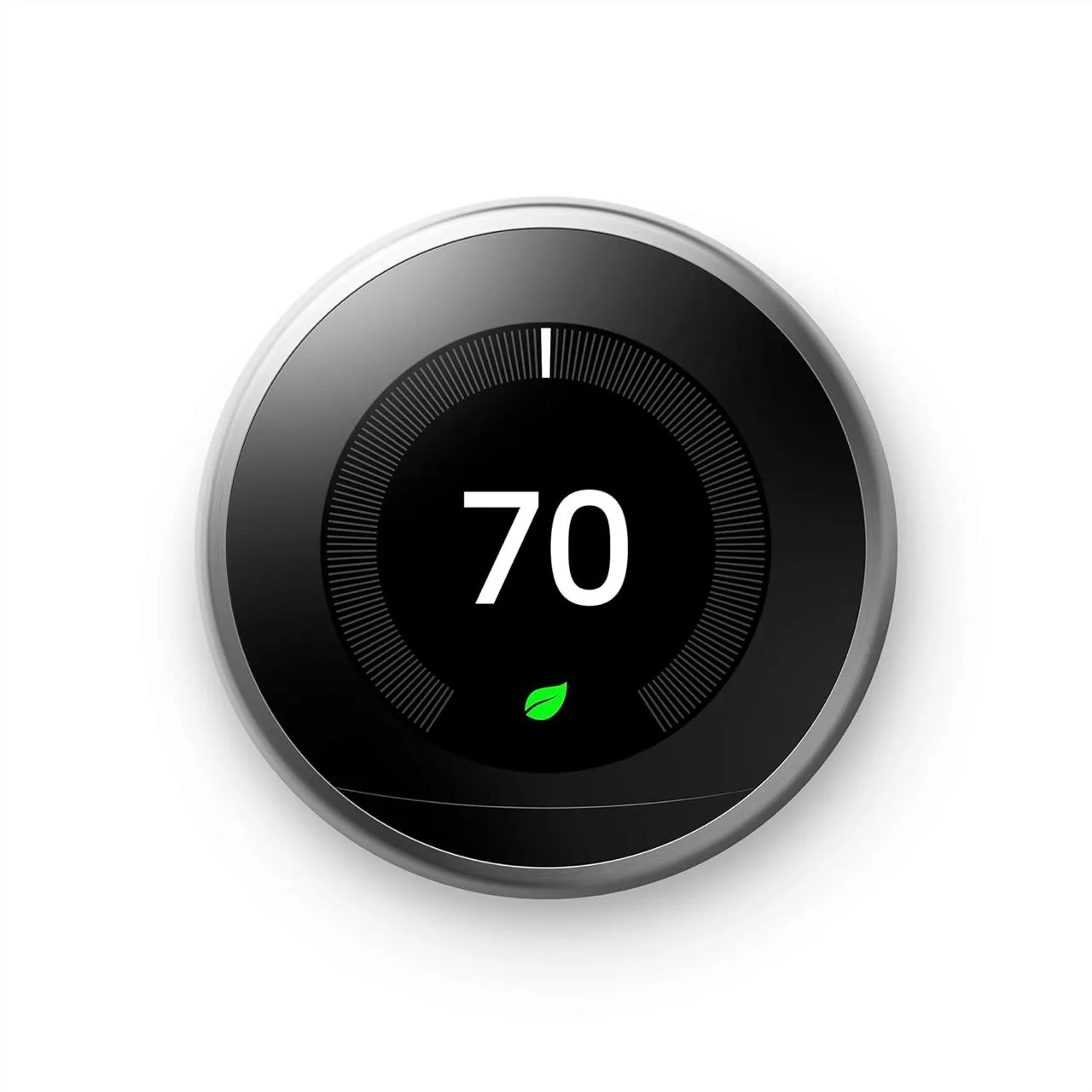
Google Nest Learning Thermostat (3rd gen)
Builds a schedule from your manual adjustments. Controlled from the Google Home app.
View on Amazon