Published 2026 · EcoHome Intelligence
Mini-Splits Not Keeping Up? How to Add Supplemental Heat Without Breaking the Bank
If you heat with mini-splits alone and the temperature drops below 20°F, you've probably felt the panic: floors freezing, rooms never reaching the thermostat setpoint, and electric bills climbing while you're still wearing layers indoors. Here's how to fix it without a major heating install.
Why Mini-Splits Fail in Deep Cold
Mini-split heat pumps extract warmth from outdoor air. A heat pump moves more heat than the electricity it uses, which is why DOE says it can cut heating electricity use by up to 75% versus resistance heat. But its output and efficiency fall as the outdoor temperature drops, which is when supplemental heat earns its place. At 0°F, many units stop producing useful heat entirely or defrost so often they effectively quit.
In older homes with uninsulated crawlspaces or thin walls, even a properly sized mini-split can't overcome thermal losses faster than the heat gain. The system never cycles off — running at max power but never catching up.
Fix 1: Stop the Cold at the Floor
The problem: Cold air enters through rim joists and unsealed crawlspace vents, making floors much colder than the room air.
The solution:
- Encapsulate the crawlspace with a 6-mil vapor barrier on the dirt floor (taped at seams)
- Add 2-inch XPS rigid foam to rim joists with spray-foam perimeter sealing
- Close vents and add a small dehumidifier (not a heater — just humidity control)
Fix 2: Add Zone Heat Strategically
Instead of heating the whole house, add targeted heat where you actually live. Three options ranked by safety:
| Heater Type | BTU Range | Best For | Safety |
|---|---|---|---|
| Dr Infrared Portable | 5,100 BTU | Single room, quick fix | Electric, no vent needed |
| Dyna-Glo Blue Flame | 20,000 BTU | Whole zone (500-800 sq ft) | Vent-free; needs CO detector |
| Williams Direct-Vent | 22,000 BTU | Permanent install, safest | Direct vent to outside |
Our recommendation: Start with the Dr Infrared Portable Heater as a test. If it solves your problem, consider the direct-vent wall furnace for a permanent solution next winter.
Fix 3: Stop Losing Heat Through Windows
In rooms where you can't add a heater, the fastest win is stopping heat escape:
- Rope caulk around window frames: presses into gaps, peels off in spring
- Cellular shades: trap an insulating layer of air against the glass
- 3M Window Insulation Kit: temporary shrink film that adds an air layer, like an extra pane
Which Fix Should You Do First?
| If You... | Start With |
|---|---|
| Have freezing floors | Crawlspace encapsulation |
| Have one cold room | Portable infrared heater |
| Live in extreme cold (Zone 6+) | Direct-vent wall furnace |
| Have drafty windows | Rope caulk + cellular shades |
A Word on Safety
Never use an unvented gas heater without a working CO detector. Carbon monoxide from incomplete combustion can build to lethal levels in tightly sealed modern homes. We recommend the Kidde Nighthawk — battery backup, digital readout.
For permanent gas installs, hire a licensed plumber for the gas line. DIY connection is illegal in most jurisdictions and voids insurance. The install is worth it for your family's safety.
Products Shown in This Guide
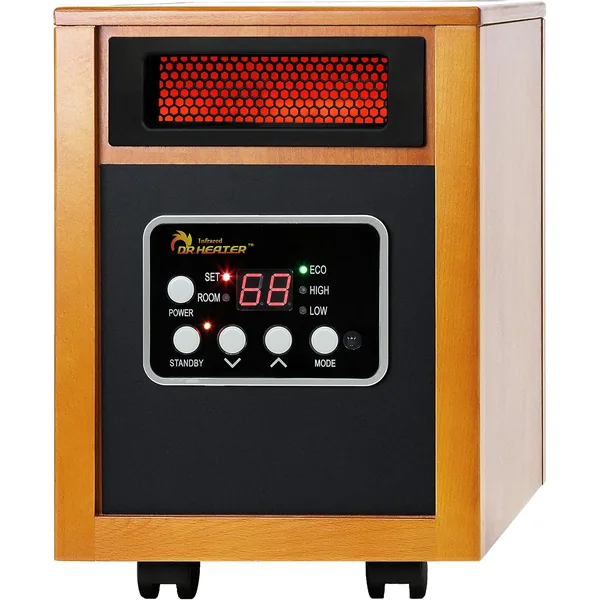
Dr Infrared Heater DR-968 Portable Space Heater
Portable infrared heater · Fast single-room boost heat
View on Amazon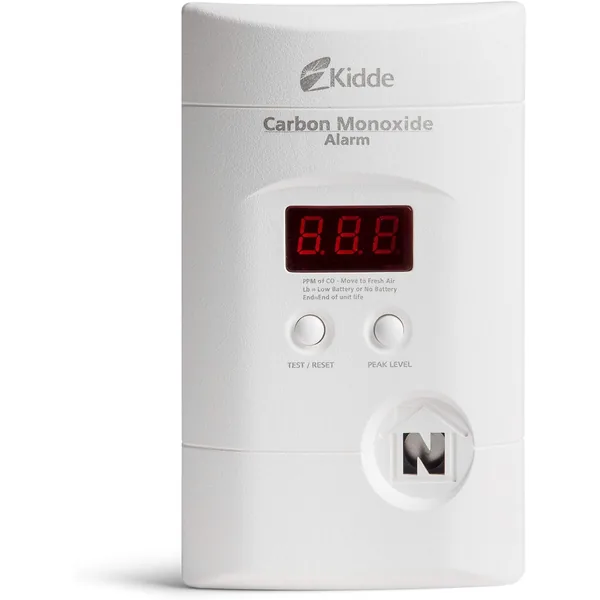
Kidde Nighthawk CO Detector
Battery backup · Digital readout · Essential with gas backup heat
View on Amazon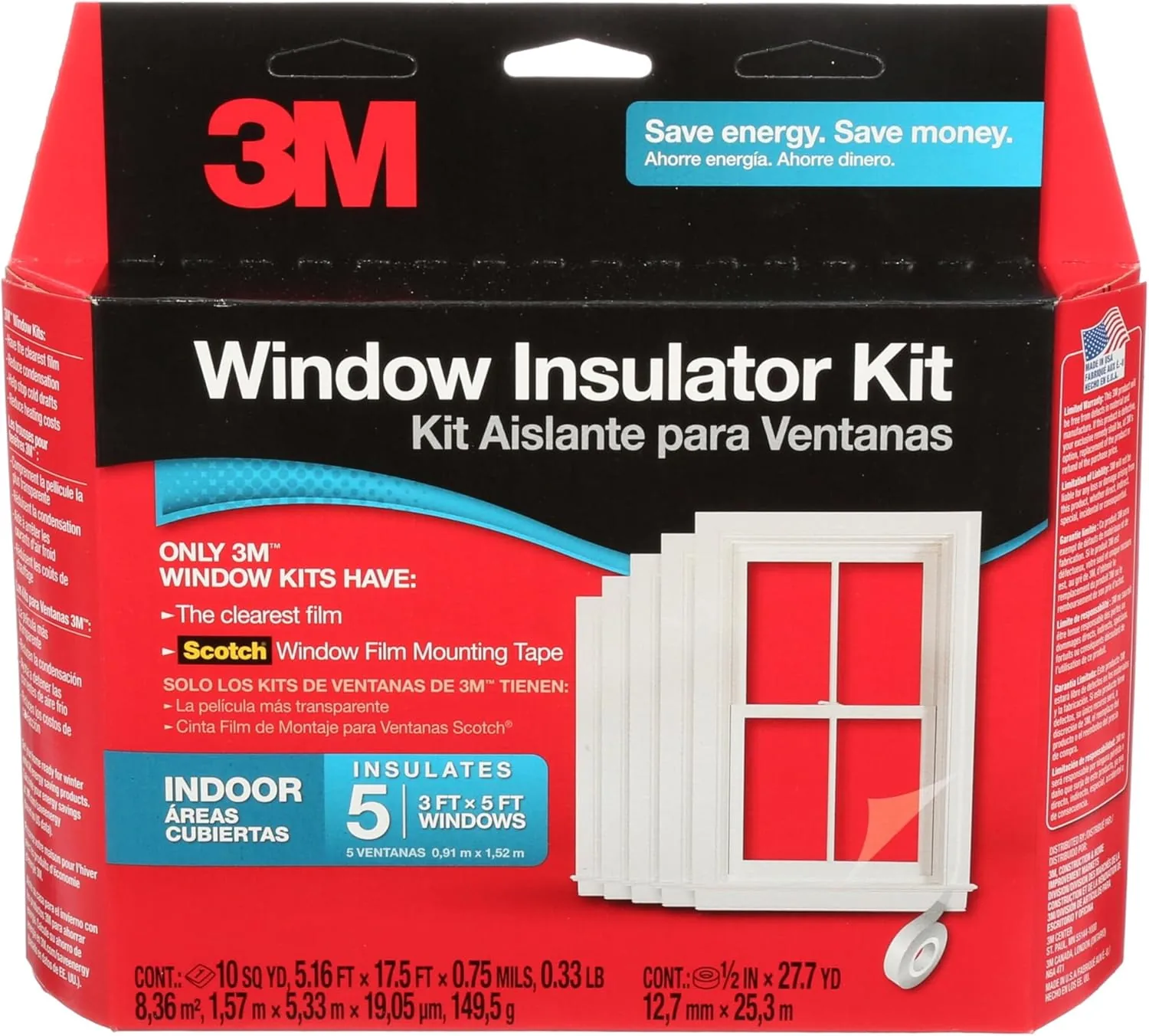
Bottom Line
Mini-splits are excellent primary heat in the right climate and envelope. When they fall short, you rarely need a major new heating system. A supplemental heater plus a sealed crawlspace often solves the problem, while reducing your mini-split's workload.
Want a Custom Plan for Your Home?
Free: Home Energy Audit Checklist (PDF)
A two-page, room-by-room checklist for finding air leaks, standby power and heating and cooling waste yourself, in the order that pays back fastest. Get it now, plus new fix guides by email. Unsubscribe any time.
By signing up you agree to receive emails from EcoHome Intelligence. See our Privacy Policy.
