EcoGuide · Energy Audits · Updated 2026-10-01 · 1,000 words
How Much Does a Home Energy Audit Cost in 2026?
The Short Answer
Angi’s 2026 cost data puts the average home energy audit at $437, with professional audits typically running $212 to $698 depending on the size of the home and how much testing is included. A basic visual walk-through can be $100–$200; a full diagnostic audit can reach $1,000.
Before paying for one, check two things: whether your utility offers a free or subsidized assessment (many do), and whether a do-it-yourself pass would answer your question. A homeowner can find most drafts and standby loads with a free checklist and a few inexpensive tools; a professional adds the instruments that measure what you cannot see.
What You Pay For: Cost by Audit Type
| Type | Typical cost | What it is |
|---|---|---|
| Basic visual | $100–$200 | Walk-through and bill review, no instruments |
| Standard | $200–$700 | Usually includes a blower door test |
| Advanced / diagnostic | $400–$1,000 | Blower door, infrared scan, duct and combustion testing |
| Subsidized or free | $0–$150 | Through a utility or state program |
Individual tests, when priced separately: blower door $100–$300, infrared thermography $150–$400, duct leakage testing $100–$300, combustion safety testing $75–$200. By home size, Angi gives $100–$400 for 1,000 sq ft, $200–$700 for 2,000 sq ft and $300–$1,000 for 3,000 sq ft. All figures: Angi, updated April 2026. Local prices vary, so get two quotes.
What a Professional Audit Includes
The U.S. Department of Energy says many professional energy assessments include a blower door test and a thermographic scan, and that assessors may use blower doors, infrared cameras, furnace efficiency meters and surface thermometers. In plain terms:
- Blower door test: a fan in an exterior door depressurizes the house so leaks can be measured and found.
- Thermographic (infrared) scan: shows missing insulation and air leaks as temperature differences on walls and ceilings.
- Equipment checks: furnace efficiency and, in a diagnostic audit, duct leakage and combustion safety.
DOE’s advice for choosing an assessor: ask for references, check for complaints, and confirm they use a calibrated blower door and do thermographic inspections. Before the visit, list the problems you have noticed (condensation, drafty or uncomfortable rooms) and have a year of energy bills ready.
How to Get One Free or Cheap
Angi lists subsidized audits at $0–$150. Many electric and gas utilities run these programs, sometimes with free air sealing or LED bulbs on the day. Search your utility’s site for “home energy assessment” or call the number on your bill before you pay retail. Some rebate programs require an audit report, so if you are planning insulation or a heat pump, ask what paperwork the rebate needs first.
What You Can Check Yourself First
A do-it-yourself pass will not replace a blower door, but it finds the obvious problems and tells you whether a professional audit is worth it. Start with our free home energy audit checklist, then use tools for the parts you cannot see:
- Air leaks and cold spots: a thermal leak detector or infrared thermometer shows where a wall, window or attic hatch is colder than its surroundings. See how to find thermal leaks.
- Standby power: a plug-in meter shows what one device uses when “off”. See the 4-minute phantom load audit.
- Whole-home use: a home energy monitor shows which circuits use the most.
We may earn a commission if you buy through these links, at no extra cost to you. Products are chosen on published specifications; we do not test them in-house (how we choose).
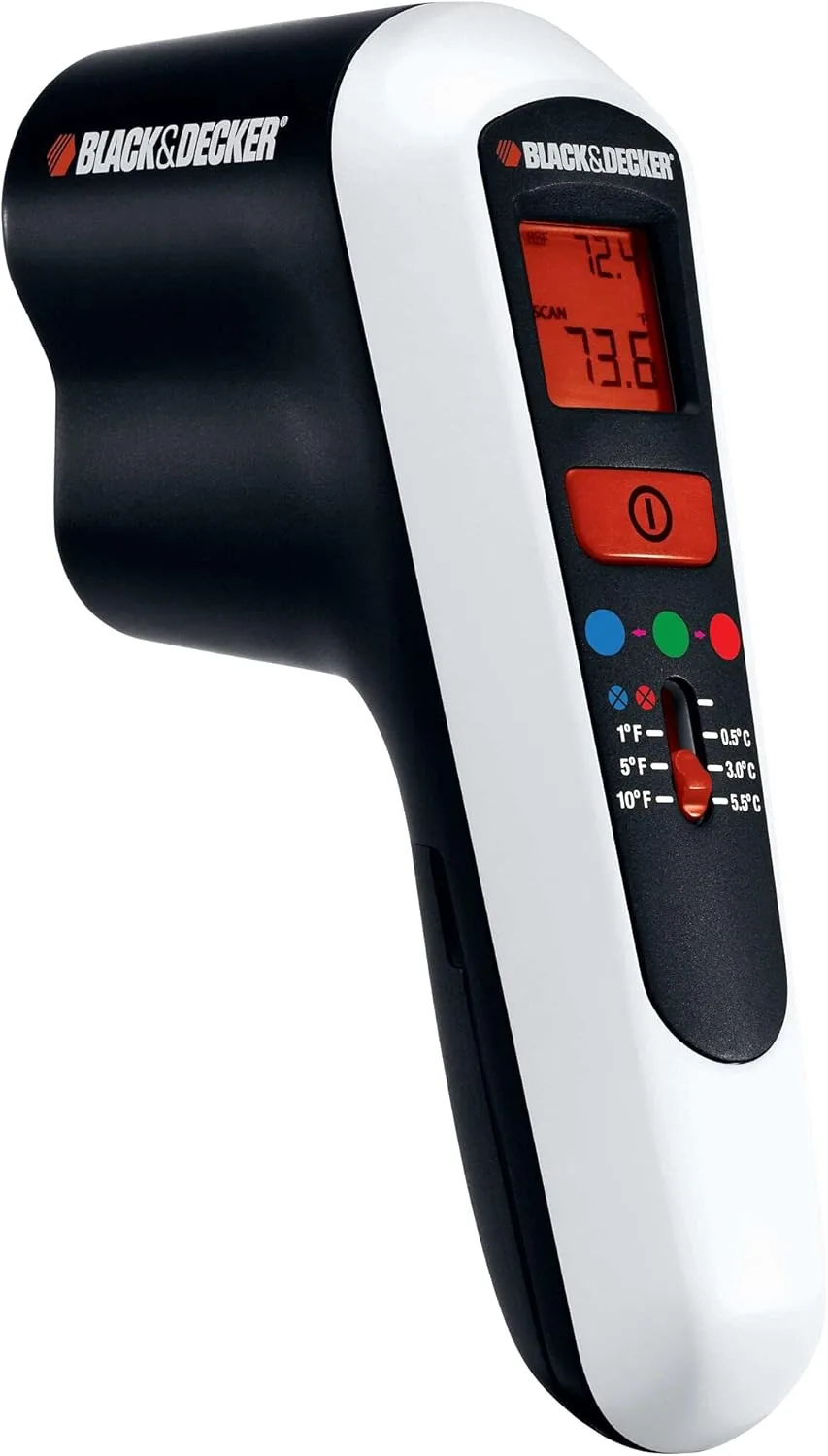
BLACK+DECKER TLD100 Thermal Leak Detector
Infrared spot thermometer that changes colour at hot and cold spots, for finding drafts and missing insulation.
View on Amazon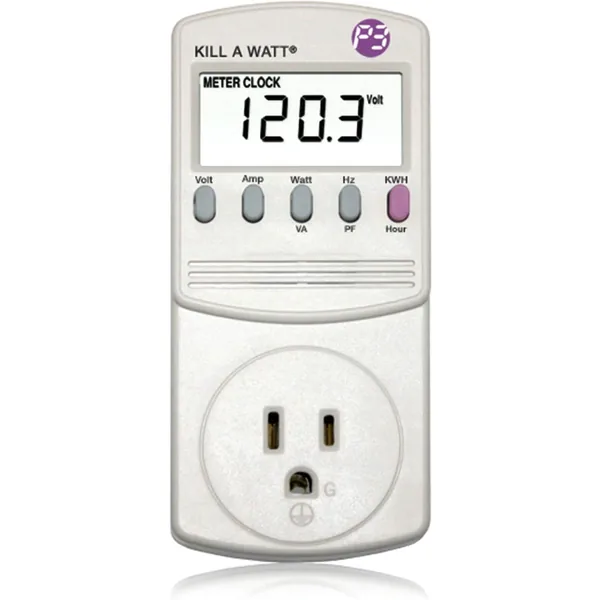
P3 Kill A Watt P4400 Electricity Usage Monitor
Plug-in meter for measuring one appliance or the standby draw of an entertainment centre.
View on AmazonPro or DIY?
| Your situation | Start with |
|---|---|
| One drafty room, or bills a bit higher than neighbours’ | DIY checklist and tools |
| Planning insulation, air sealing or a new heating system | Professional audit with a blower door test |
| A rebate or loan program asks for an audit report | Professional audit (ask the program which kind) |
| Gas appliances and you are tightening the house | Professional audit with combustion safety testing |
| Your utility offers a free assessment | Take it, whatever else you do |
Free: Home Energy Audit Checklist (PDF)
A two-page, room-by-room checklist for finding air leaks, standby power and heating and cooling waste yourself, in the order that pays back fastest. Get it now, plus new fix guides by email. Unsubscribe any time.
By signing up you agree to receive emails from EcoHome Intelligence. See our Privacy Policy.
Frequently Asked Questions
How much does a home energy audit cost?
Angi’s 2026 data puts the average at $437, with professional audits typically $212 to $698. Basic visual audits can be $100–$200 and full diagnostic audits up to about $1,000.
Is a home energy audit worth it?
It is most useful before a big project such as insulation, air sealing or a new heating system, or when a rebate requires it. For a single drafty room, a DIY check usually answers the question for far less.
Can I get a free home energy audit?
Often, yes. Many utilities and state programs offer free or subsidized assessments; Angi lists these at $0 to $150. Check your utility’s website or call the number on your bill.
What is included in a professional energy audit?
The Department of Energy says many include a blower door test and a thermographic scan, and assessors may also use furnace efficiency meters and surface thermometers. Diagnostic audits add duct leakage and combustion safety testing.
How much does a blower door test cost?
Angi lists a blower door test at $100 to $300 when priced on its own.
Related Guides
- Free home energy audit checklist — the room-by-room DIY version
- How to find thermal leaks — five methods, cheapest first
- Best thermal leak detectors under $50 — tools for the DIY pass
- Best home energy monitors — measure the whole house
